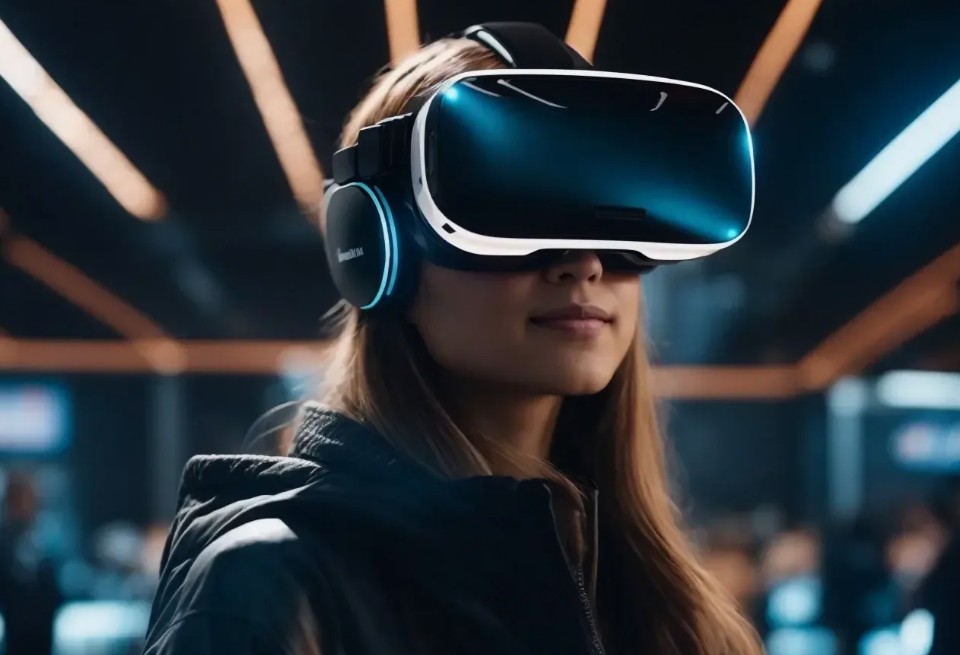
Common Pitfalls When Launching a VR Entertainment Business and How to Avoid Them
Navigating Mistakes in Commercial Virtual Entertainment
Entering the immersive recreation sector offers remarkable commercial opportunities, but novice operators frequently encounter unexpected operational hurdles. Misjudging hardware durability, selecting poor commercial locations, or neglecting staff training can undermine a venue long before it reaches profitability. Establishing a thriving VR Entertainment Business demands thorough planning that extends far beyond buying cutting-edge headsets. Industry leaders like BATTLE START demonstrate how structured operational workflows and reliable software architectures mitigate common launch risks effectively. By identifying potential failure points early, entrepreneurs can safeguard their capital investments and build resilient venues. Thoughtful preparation ensures smooth day-to-day operations while delivering exceptional customer experiences from opening day onward.
Hardware Oversights
A primary mistake among new founders is relying on consumer-grade hardware for heavy daily commercial use. Consumer headsets simply lack the structural reinforcement required to endure continuous operation by hundreds of unique visitors each week. Sweat accumulation, dropped controllers, and worn headstraps quickly turn into costly maintenance headaches if ruggedized equipment is ignored. Choosing commercial-grade hardware paired with hot-swappable battery packs keeps active gaming sessions running without disruptive technical delays.
Field data indicates that commercial venues utilizing consumer-grade peripherals experience up to three times more hardware failure during their first six months than those using commercial hardware.
Operators must also maintain spare hardware units on-site at all times. A single broken headset should never force an entire multiplayer arena to close down during peak weekend trading hours.
Spatial Layout Errors
Underestimating spatial requirements creates safety hazards and compromises guest comfort within the venue. Cramming too many players into a restricted area leads to accidental collisions and damaged tracking gear. Proper floor planning must account for open movement zones, safe spectator observation areas, and clear pathways for attending staff. Furthermore, improper lighting conditions or reflective glass surfaces can interfere with optical tracking sensors, causing severe tracking glitches during sessions.
Essential Risk Prevention Steps
- Installing high-density padding and soft boundaries around all active play spaces.
- Establishing clear sanitation protocols with commercial ultraviolet light sanitizers.
- Implementing automated booking management tools to prevent player overcrowding.
- Conducting daily physical inspections of all tracking sensors and safety gear.
Clear physical barriers protect both active players and watching guests. Prioritizing safety minimizes liability risks and reassures first-time visitors.
Staffing Weaknesses
Even the most advanced technical installation will fail to generate repeat visits if staff members lack proper training. Managing a commercial VR Entertainment Business successfully requires attendants who are equally skilled in technical troubleshooting and friendly customer service. Onboarding guests efficiently, explaining control mechanics clearly, and monitoring player safety are crucial responsibilities for front-line workers.
Customer feedback surveys show that over seventy percent of first-time immersive entertainment visitors attribute their overall satisfaction directly to the helpfulness of venue attendants.
Comprehensive training protocols ensure that staff members remain calm during occasional technical glitches. Quick, professional assistance keeps guest satisfaction levels high even when software unexpected updates occur.
Marketing Realities
Assuming that open doors alone will guarantee constant foot traffic is a dangerous misconception for new venue owners. Relying entirely on organic walk-in visitors leaves a VR Entertainment Business vulnerable during quiet mid-week shifts. Successful operators build active outreach programs targeting corporate event planners, local schools, and birthday party organizers months before opening day.
Combining local digital campaigns with community event sponsorships creates sustained local brand awareness. Continuous engagement with your surrounding neighborhood ensures steady booking schedules throughout the entire year.
Author