The Definitive Guide to Choosing Your Perfect Kitchen Chimney
Write a quality, in-depth, magazine-style article on the topic:
Write in English
Use a clickbait and catchy headline. Be sure to include the keyword in the headline and use the background content added with this post to create a relevant and related topic.
Make sure the text is written in a journalistic, professional, and engaging style, like The New York Times or Forbes. The tone should be optimistic, forward-looking, and persuasive. Use sentences of varying lengths (average 250 characters, maximum 500, minimum 30). Use appropriate analogies, descriptive adverbs (e.g., “incredibly effective”), and correct adverbial phrases (e.g., “By integrating insights from AI…”). Make sure the GLTR is LOW by balancing 40-55% green, 20-30% yellow, 15-25% red, and 5-10% purple words. Use present and past participles to add dynamism. Provide deep knowledge, expert opinions, and industry examples to make the article compelling.
After the second paragraph of the article, add a table with the biographical information, personal information, career information, and professional background of the person you are talking about, along with a link to one official website for reference. The table should be in a format that is easy to embed in WordPress.
If the topic is not related to a specific person, add relevant information in a table that can be embedded in WordPress.
Ensure the writing follows a journalistic, professional, and engaging style, like The New York Times or Forbes. The tone should be optimistic, forward-looking, and persuasive. Use varied sentence lengths (average 250 characters, max 500, min 30). Incorporate relatable analogies, descriptive adverbs (e.g., ‘remarkably effective’), and proper adverbial phrases (e.g., ‘By integrating AI-driven insights…’). Ensure a LOW GLTR score, balancing 40-55% green, 20-30% yellow, 15-25% red, and 5-10% purple words. Use present and past parts to enhance dynamism. Provide deep insights, expert perspectives, and industry examples to make it compelling.
After the second paragraph of the article add table with bio data and personal information, career, professional information of person in topic, also add link to one authentic website for reference, the table should be in the form that it can be easily inserted in wordpress.
If the topic is other than person related than add related information in the form of table that can be inserted in wordpress.
A modern kitchen is often considered the heart of a home, a place where culinary creations come to life and families gather․ However, cooking inevitably produces smoke, grease, and odors that can linger, making the space less pleasant and impacting air quality․ This is where a high-performing kitchen chimney becomes an indispensable appliance, effectively ventilating your cooking area and maintaining a fresh, clean environment․ Selecting the right model, with so many options available, can seem daunting, but understanding the key features and types will empower you to make an informed decision for your specific needs․ This comprehensive guide will walk you through everything you need to know about choosing the perfect kitchen chimney․
Understanding Different Kitchen Chimney Types
When considering a new kitchen chimney, one of the first decisions you’ll face is choosing the right type to suit your kitchen layout and aesthetic preferences․ Each design offers distinct advantages and installation requirements․
Wall-Mounted Kitchen Chimneys
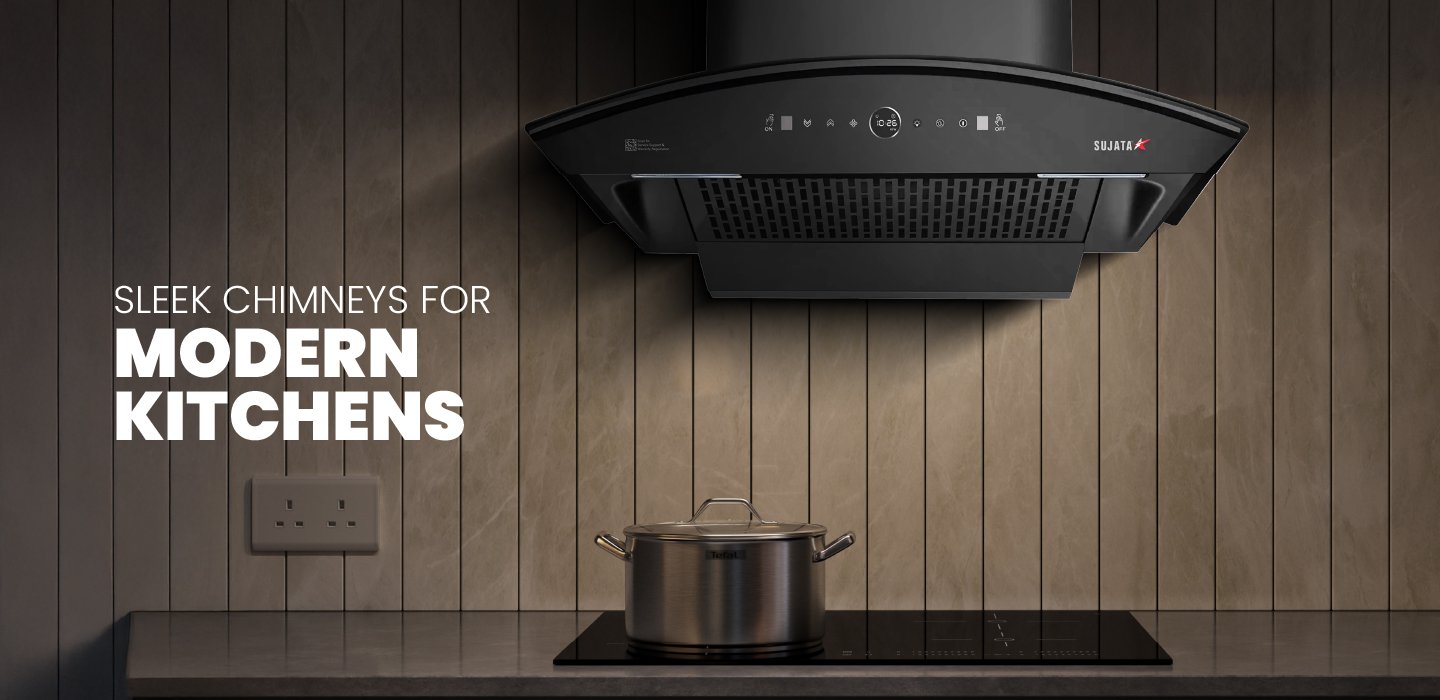
These are the most common type, installed against a wall directly above the cooktop․ They are ideal for kitchens where the stove is positioned against a wall․ Wall-mounted chimneys come in various designs, from sleek angular models to classic straight-line designs, offering versatility to match any kitchen decor․
Island Kitchen Chimneys
For kitchens featuring a cooking range on a central island, an island chimney is the perfect solution․ These are suspended from the ceiling directly above the island cooktop․ They are designed to be aesthetically pleasing from all angles, making them a focal point in an open-plan kitchen․
Built-in (Integrated) Kitchen Chimneys
Built-in chimneys are discreetly integrated into the kitchen cabinetry, offering a seamless and minimalist look․ They are an excellent choice for those who prefer their appliances to blend in rather than stand out․ While less visible, they are just as effective in extracting smoke and odors․
Key Factors When Selecting a Kitchen Chimney
Choosing the best kitchen chimney involves evaluating several critical factors that impact performance, maintenance, and overall satisfaction․ Considering these aspects carefully will ensure you invest in a model that truly meets your culinary demands․
Suction Power (Cubic Meters Per Hour ⎻ CMH)
Suction power is perhaps the most crucial specification for any kitchen chimney․ It indicates the volume of air the chimney can draw in and filter per hour․ For Indian cooking, which often involves significant frying and spices, a higher suction power is generally recommended․
- For light cooking: 600-800 CMH
- For regular cooking: 1000-1200 CMH
- For heavy cooking: 1200 CMH and above
Filter Type
The filter is the heart of the chimney, trapping grease particles and ensuring clean air․ Different filter types offer varying levels of efficiency and maintenance requirements․
| Filter Type | Description | Pros | Cons | Maintenance |
|---|---|---|---|---|
| Baffle Filter | Made of multiple curved panels that change the direction of air flow, separating grease particles by centrifugal force․ | Highly effective for Indian cooking, durable, requires less frequent cleaning․ | Can be slightly noisy, heavier․ | Clean every 3-4 weeks (dishwasher safe or manual)․ |
| Mesh Filter | Composed of layers of aluminum or stainless steel mesh that trap grease․ | Inexpensive, lightweight․ | Clogs quickly, less efficient for heavy grease, difficult to clean thoroughly․ | Clean every 1-2 weeks (manual scrubbing)․ |
| Charcoal Filter | Primarily used in ductless (recirculating) chimneys, it absorbs odors and some grease particles․ | Effective at odor removal, no ducting required․ | Needs regular replacement, not washable, doesn’t remove all grease․ | Replace every 3-6 months depending on usage․ |
Chimney Size
The size of your kitchen chimney should match the size of your cooktop․ A general rule of thumb is that the chimney should be at least as wide as your hob or slightly wider to ensure effective smoke capture; Common sizes include 60 cm for 2-4 burner hobs and 90 cm for 3-5 burner hobs․
Noise Level
A noisy chimney can be quite disruptive, especially in open-plan kitchens․ Look for models that operate at lower decibel levels․ Modern chimneys often feature advanced motor technology designed for quieter operation․ Check the decibel rating, with anything below 60 dB considered good․
Advanced Features
Many kitchen chimneys come with additional features that enhance convenience and functionality․ These can include:
- Auto-clean technology: Uses heat or water to melt and collect grease, simplifying cleaning․
- LED lighting: Provides bright illumination over your cooking area․
- Touch controls: Offer a sleek interface and easy operation․
- Filter-block indicator: Alerts you when the filters need cleaning․
- Motion sensor control: Allows operation with a simple wave of the hand․
Ducting vs․ Ductless (Recirculating)
This choice depends on your kitchen’s structure and preference:
Ducted Chimneys: These chimneys vent smoke and odors outside through a duct pipe․ They are generally more effective and require less filter maintenance (especially with baffle filters)․ This is the preferred option for heavy cooking․
Ductless Chimneys: These chimneys filter the air using charcoal filters and then recirculate the purified air back into the kitchen․ They are easier to install as they don’t require external venting but need frequent charcoal filter replacement․
Steps to Choose Your Ideal Kitchen Chimney
Following a structured approach can simplify the selection process and help you find the best kitchen chimney․
Assess Your Cooking Habits: Determine how frequently and intensely you cook․ This will guide your suction power and filter type choices․
Measure Your Cooktop and Kitchen Space: Ensure the chimney size is appropriate for your hob and that there is adequate space for installation, especially for island or built-in models․
Decide on Ducting: Check if your kitchen allows for external ducting․ If not, a ductless chimney with charcoal filters might be your only option․
Research Filter Types: Understand the maintenance requirements and effectiveness of baffle, mesh, and charcoal filters based on your cooking style․
Compare Suction Power and Noise Levels: Prioritize higher suction for Indian cooking and look for models with lower decibel ratings․
Consider Additional Features: Evaluate if auto-clean, motion control, or other smart features align with your budget and convenience preferences․
Read Reviews and Check Brands: Research reputable brands known for their quality and after-sales service․ User reviews can provide valuable real-world insights․
FAQ Section
Q1: What is the ideal suction power for an Indian kitchen?
A: For typical Indian cooking involving frying and strong spices, a chimney with a suction power of 1000-1200 CMH is generally recommended․ For very heavy cooking, you might consider 1200 CMH or more․
Q2: Which filter type is considered best for kitchen chimneys?
A: Baffle filters are widely considered the best for Indian cooking due to their high efficiency in separating grease and requiring less frequent cleaning compared to mesh filters․ Charcoal filters are essential for ductless chimneys to remove odors․
Q3: How often should I clean my kitchen chimney?
A: The cleaning frequency depends on the filter type and your cooking habits․ Baffle filters typically need cleaning every 3-4 weeks, while mesh filters might require cleaning every 1-2 weeks; Charcoal filters in ductless chimneys need replacement every 3-6 months․ Auto-clean features can extend the time between manual cleanings․
Q4: What is the main difference between ducting and ductless chimneys?
A: Ducted chimneys expel smoke and odors outside your home through a pipe, offering superior ventilation․ Ductless chimneys filter the air using charcoal filters and recirculate the purified air back into the kitchen, making them suitable when external venting isn’t possible, but they require regular filter replacement․
Q5: Can I install a kitchen chimney myself?
A: While some handy individuals might attempt DIY installation, it is generally recommended to have a professional install your kitchen chimney․ Proper installation ensures optimal performance, safety, and adherence to warranty conditions, especially for ducting and electrical connections․
Choosing the best kitchen chimney is an investment in the comfort and cleanliness of your home․ By carefully considering factors such as suction power, filter type, size, and advanced features, you can find an appliance that perfectly complements your cooking style and kitchen aesthetics․ A well-selected chimney not only keeps your kitchen free from smoke and grease but also enhances the overall air quality and longevity of your kitchen surfaces․ Take your time, weigh your options, and you’ll soon enjoy a fresher, more inviting culinary space․ Your ideal kitchen chimney is out there, ready to transform your cooking experience․
Author