Oversize Load Night Travel in NSW A Comprehensive Guide
Transporting oversized loads presents unique logistical challenges, especially when considering movement during off-peak hours․ In New South Wales (NSW), the regulations governing the travel of these substantial vehicles are stringent, designed to ensure public safety and minimize disruption to traffic flow․ Understanding whether an oversize load can travel at night in NSW involves a detailed look into specific permits, vehicle configurations, and road conditions․ This guide will explore the nuances of night operations for heavy haulage, outlining the necessary steps and considerations for compliance within the state’s regulatory framework․
Understanding Oversize Load Regulations in NSW
Oversize loads, by definition, exceed standard legal dimensions or weight limits for vehicles on public roads․ These can include anything from large machinery to prefabricated building sections․ Due to their size and potential impact, their movement is tightly controlled by Transport for NSW (TfNSW) and the National Heavy Vehicle Regulator (NHVR)․
The Role of Permits in Night Operations
Before any oversized load can embark on a journey, particularly one planned for nighttime, a specific permit is mandatory․ This permit outlines the approved route, travel times, escort requirements, and any special conditions that must be adhered to․ Ignoring these requirements can lead to substantial penalties and safety risks․
Acquiring a permit for night travel often involves additional scrutiny due to reduced visibility and increased potential hazards․ Here are the general steps to apply for such a permit:
- Assess Load Dimensions: Accurately measure the length, width, height, and weight of the load and vehicle combination․
- Plan the Route: Identify a suitable route that can safely accommodate the load’s dimensions, avoiding low bridges, narrow roads, and residential areas where possible․
- Lodge an Application: Submit a comprehensive application to the NHVR, detailing the load, vehicle, route, and proposed travel times․
- Await Approval and Conditions: The NHVR will assess the application and may issue a permit with specific conditions, including approved travel hours․
- Comply with Conditions: Strictly adhere to all conditions stipulated in the permit, especially those concerning night travel and escort requirements․
Write a quality, in-depth, magazine-style article on the topic:
Write in English
Use a clickbait and catchy headline. Be sure to include the keyword in the headline and use the background content added with this post to create a relevant and related topic.
Make sure the text is written in a journalistic, professional, and engaging style, like The New York Times or Forbes. The tone should be optimistic, forward-looking, and persuasive. Use sentences of varying lengths (average 250 characters, maximum 500, minimum 30). Use appropriate analogies, descriptive adverbs (e.g., “incredibly effective”), and correct adverbial phrases (e.g., “By integrating insights from AI…”). Make sure the GLTR is LOW by balancing 40-55% green, 20-30% yellow, 15-25% red, and 5-10% purple words. Use present and past participles to add dynamism. Provide deep knowledge, expert opinions, and industry examples to make the article compelling.
After the second paragraph of the article, add a table with the biographical information, personal information, career information, and professional background of the person you are talking about, along with a link to one official website for reference. The table should be in a format that is easy to embed in WordPress.
If the topic is not related to a specific person, add relevant information in a table that can be embedded in WordPress.
Ensure the writing follows a journalistic, professional, and engaging style, like The New York Times or Forbes. The tone should be optimistic, forward-looking, and persuasive. Use varied sentence lengths (average 250 characters, max 500, min 30). Incorporate relatable analogies, descriptive adverbs (e.g., ‘remarkably effective’), and proper adverbial phrases (e.g., ‘By integrating AI-driven insights…’). Ensure a LOW GLTR score, balancing 40-55% green, 20-30% yellow, 15-25% red, and 5-10% purple words. Use present and past parts to enhance dynamism. Provide deep insights, expert perspectives, and industry examples to make it compelling.
After the second paragraph of the article add table with bio data and personal information, career, professional information of person in topic, also add link to one authentic website for reference, the table should be in the form that it can be easily inserted in wordpress.
If the topic is other than person related than add related information in the form of table that can be inserted in wordpress.
Navigating Night Travel Rules in New South Wales
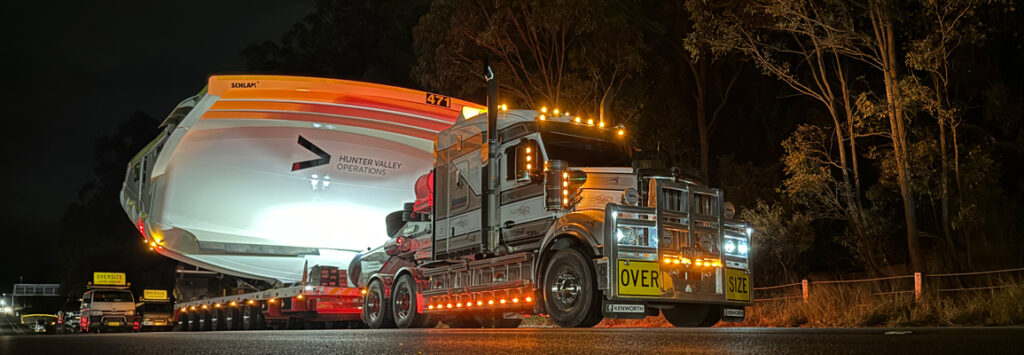
While permits can allow for night travel, they typically come with specific conditions tailored to mitigate the risks associated with reduced visibility․ These conditions are paramount for ensuring a safe passage for both the oversize load and other road users․
Key Considerations for Night Travel of Oversize Loads in NSW
Night travel for oversize loads in NSW is not a blanket allowance; it’s a carefully managed exception․ The following table highlights critical factors that influence or dictate night movements:
| Aspect | Description for Night Travel in NSW |
|---|---|
| Permit Requirements | Mandatory NHVR permit specifying approved night travel times and routes․ Without explicit permission for night travel, it is prohibited․ |
| Dimension Limits | Loads exceeding certain dimensions (e․g․, typically 3․5m width or 25m length) often face stricter night travel restrictions or require more escorts․ |
| Escort Vehicles | Police or accredited pilot/escort vehicles are frequently required, especially for wider or longer loads, to warn other motorists and manage traffic․ |
| Signage & Lighting | Advanced warning signs, flashing lights, and reflective markings must be prominently displayed on the vehicle and load, adhering to specific standards for night visibility․ |
| Route Assessment | Routes are carefully assessed for nighttime hazards such as unlit sections, complex intersections, and potential wildlife crossings․ |
| Driver Fatigue | Strict adherence to driver fatigue management regulations is crucial, with longer breaks potentially required due to the demands of night driving․ |
Safety Protocols and Escort Requirements
Safety is the paramount concern when an oversize load travels under the cover of darkness․ Visibility is naturally reduced, demanding enhanced measures to prevent accidents and ensure smooth transit․ These protocols are not merely suggestions; they are legally binding requirements․
Essential safety requirements for night movements typically include:
- Adequate and functional lighting on all aspects of the load and prime mover․
- “OVERSIZE LOAD” signs that are correctly illuminated or reflective․
- Flashing amber beacons on the prime mover and any escort vehicles․
- Communication equipment to maintain contact between the driver and escort personnel․
- Pre-trip briefing for all personnel involved, covering the route, potential hazards, and emergency procedures․
- Adherence to specified speed limits, which may be lower than standard limits․
Benefits and Challenges of After-Dark Haulage
Despite the stringent regulations, businesses often opt for night travel for oversize loads due to several compelling advantages․ However, this choice also comes with its own set of unique challenges that must be meticulously managed․
Advantages of Off-Peak Movement
One of the primary reasons for choosing night travel is the significantly reduced traffic congestion․ This allows for smoother, faster transit, minimizing delays and potential frustration for other road users․ Less traffic also means a lower risk of minor incidents and less disruption to the general public․ Furthermore, in some urban areas, night travel might be the only option permitted to avoid peak hour impacts․
Overcoming Nighttime Obstacles
The challenges of night travel are considerable․ Reduced visibility increases the risk of misjudging distances or encountering unexpected obstacles․ Driver fatigue can become a more prominent issue, necessitating stricter adherence to rest periods․ Wildlife activity often increases at night, posing a significant collision risk․ The complexity of managing escorts and communicating effectively in low light conditions also adds to the operational difficulties․
Frequently Asked Questions (FAQ) about Oversize Load Night Travel in NSW
Here are some common questions regarding the movement of oversize loads at night in New South Wales:
Q: Can all oversize loads travel at night in NSW?
A: No, not all․ Night travel is subject to specific approval granted by the NHVR through a permit․ The permit will specify the allowed travel times, which may or may not include nighttime hours, depending on the load’s dimensions, route, and other factors․
Q: What are the typical dimensions that might restrict night travel?
A: While there’s no single universal cutoff, loads exceeding certain widths (e․g․, over 3․5 meters) or lengths (e․g․, over 25 meters) are more likely to face restrictions or require extensive escorts for night movement due to their increased impact on road space and visibility․
Q: Are police escorts always required for night travel?
A: Not always, but they are frequently required for larger and more complex night movements․ For many oversize loads, accredited pilot/escort vehicles are sufficient, as specified in the permit conditions․
Q: What happens if an oversize load is caught traveling at night without a permit?
A: Traveling without a valid permit or outside of permitted hours can result in substantial fines, vehicle impoundment, and potential legal action․ It also poses significant safety risks to the public and the operators․
Q: How far in advance should I apply for a night travel permit?
A: It is highly recommended to apply well in advance, typically several weeks, especially for complex movements or those requiring police escorts․ This allows sufficient time for assessment, route planning, and coordination․
Q: Are there any specific roads where night travel is absolutely prohibited for oversize loads?
A: Yes, certain roads, tunnels, or urban areas might have blanket prohibitions or severe restrictions on oversize load movements, particularly at night, due to infrastructure limitations or high pedestrian traffic․ This will be specified in the permit or route advice․
Q: Do the rules change for different types of oversize loads (e․g․, agricultural machinery vs․ building modules)?
A: While the general permit process is similar, the specific conditions, allowed travel times, and escort requirements can vary based on the nature, dimensions, and weight of the load, as well as the vehicle carrying it․ Agricultural machinery might have different allowances than industrial equipment․
Author