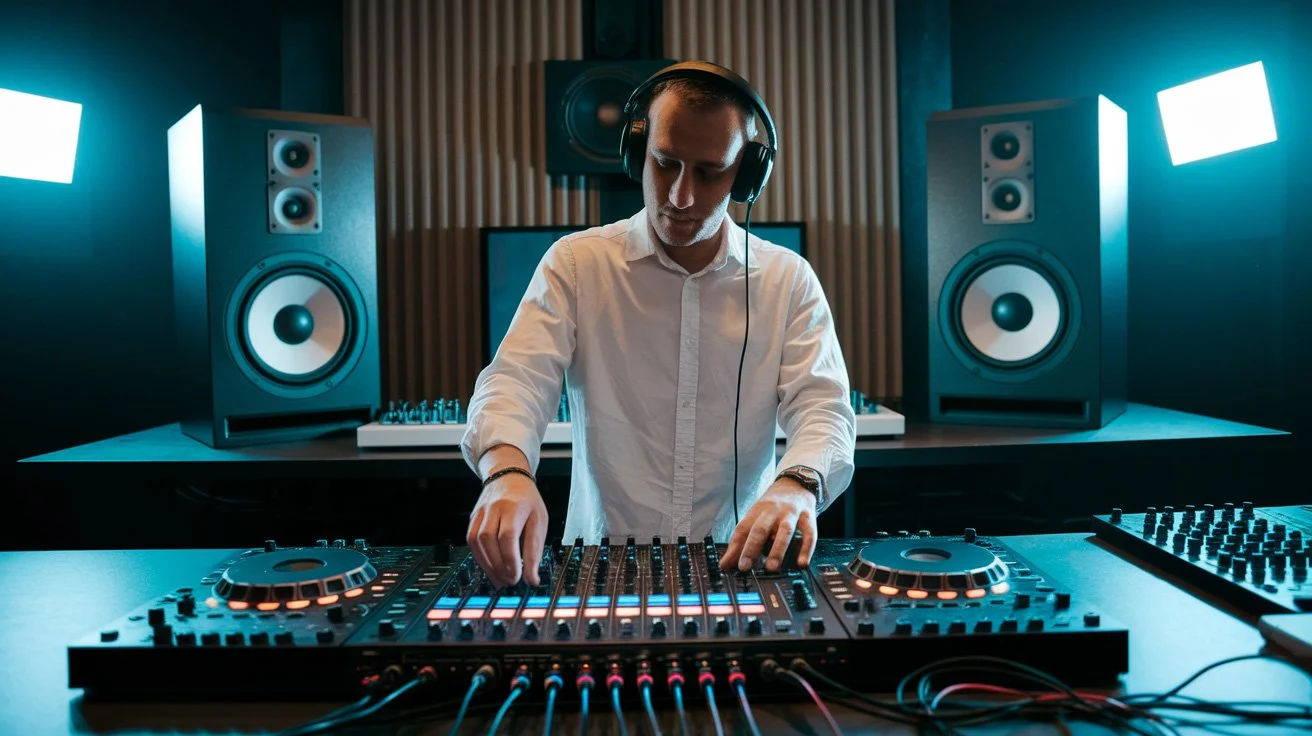
Synthesizing Sound and Buzz Culture’s Pulse
The subtle yet powerful pulse of a “back beat” often serves as the unseen foundation for countless musical genres, driving rhythm and movement across generations. Beyond the studio, a parallel phenomenon exists in the dynamic flow of information known as “the word on the street,” a vibrant network of communication shaping trends and perceptions. Both concepts, though seemingly disparate, converge to illustrate the profound ways in which underlying structures and informal channels dictate the cultural landscape. Understanding these forces allows us to appreciate the organic development of art, news, and societal shifts.
The Enduring Power of the Back Beat
A back beat is more than just a drum pattern; it’s the rhythmic heartbeat that defines popular music, from the early days of rock and roll to contemporary pop and hip-hop. This strong accent on the second and fourth beats of a 4/4 measure provides an irresistible groove, compelling listeners to tap their feet or dance. Its simplicity belies its profound psychological effect, often being the element that makes a song feel “right” and universally appealing. Without this foundational rhythm, many iconic tracks would lose their driving energy and infectious quality, underscoring its pivotal role in musical expression.
From Jazz to Rock: A Rhythmic Journey
The evolution of the back beat is deeply intertwined with the history of modern music, adapting and influencing numerous styles. Its origins can be traced to African rhythms, evolving through jazz and blues before solidifying its place in popular music.
- Jazz: While often more complex, early jazz forms laid groundwork for rhythmic emphasis, though not always a strict back beat.
- Rhythm and Blues (R&B): Here, the back beat became a defining characteristic, providing the irresistible swing and shuffle that propelled the genre.
- Rock and Roll: This genre fully embraced and amplified the back beat, making it the central engine of its rebellious energy and danceability.
- Soul and Funk: These genres built upon the R&B tradition, often making the back beat even more pronounced and syncopated, driving the groove.
- Pop and Hip-Hop: Modern pop and hip-hop continue to utilize and innovate with the back beat, often employing electronic drums and intricate layering to maintain its infectious appeal.
The Street’s Unofficial News Channel: Word-of-Mouth Dynamics
Just as the back beat grounds music, “the word on the street” serves as an informal yet potent communication channel within communities. This organic flow of information often bypasses traditional media, carrying news, trends, and opinions with remarkable speed and authenticity. It thrives on personal connections and shared experiences, making it a powerful force in shaping local culture and public sentiment. While sometimes prone to rumor, its directness and perceived credibility among peers give it significant weight.
- Authenticity: Often perceived as more genuine because it comes from trusted local sources.
- Speed: Information can disseminate incredibly fast through interconnected social networks.
- Local Relevance: Tends to focus on issues and topics directly impacting the community.
- Influence: Can significantly impact purchasing decisions, social trends, and political views.
- Accessibility: Reaches individuals who might not engage with traditional news outlets.
Synthesizing Sound and Buzz: Culture’s Pulse
The synergy between the foundational “back beat” and the pervasive “word on the street” reveals how deeply interwoven sound and social communication are in defining cultural movements. A new musical style, driven by an innovative rhythm, often gains traction not through mainstream advertising initially, but through grassroots buzz. People hear it, talk about it, and share it, creating a ripple effect that eventually reaches broader audiences. This symbiotic relationship underscores how urban environments and their unique forms of expression become fertile ground for cultural innovation.
| Feature | Formal Media (e.g., TV News, Newspapers) | Street Buzz (Word on the Street) |
|---|---|---|
| Source | Established organizations, professional journalists | Individuals, peer networks, local community |
| Reach | Mass audience, broad geographic scope | Local, community-specific, niche groups |
| Credibility (Perceived) | Often seen as authoritative, fact-checked (ideally) | High among peers, perceived as authentic, direct |
| Speed of Dissemination | Scheduled, edited, often slower for breaking news | Instantaneous, real-time, rapid spread |
| Content Type | Verified facts, analysis, broad scope of topics | Personal experiences, opinions, rumors, local insights |
| Impact | Shapes public opinion, informs policy | Influences local trends, community action, subcultures |
Frequently Asked Questions (FAQ)
What exactly is a “back beat”?
A back beat refers to a syncopated rhythmic accent on the second and fourth beats of a four-beat measure in music, particularly prevalent in genres like rock, pop, R&B, and soul. It provides a strong, driving pulse that makes the music feel groovy and encourages dancing.
How reliable is “the word on the street”?
The reliability of “the word on the street” can vary significantly. While it often carries a sense of authenticity due to its direct, personal nature and can be a fast source of local information, it is also susceptible to misinterpretation, exaggeration, and the spread of rumors, as it usually lacks formal verification processes.
How does street culture influence mainstream trends?
Street culture influences mainstream trends by acting as a crucible for new ideas, styles, music, and language. Innovations often emerge organically within urban subcultures and are then disseminated through informal networks (“the word on the street”); As these trends gain traction and visibility, they are eventually adopted, adapted, and commercialized by the mainstream, demonstrating a bottom-up flow of cultural influence.
The intricate dance between a driving back beat and the pervasive whispers of the street profoundly shapes our world. From the undeniable rhythm that moves our bodies to the organic spread of information that molds our collective consciousness, these forces are constantly at play. They remind us that true influence often stems not from top-down directives, but from the grassroots, community-driven origins of culture. Understanding these dynamics offers a deeper appreciation for how trends emerge, how music resonates, and how communities communicate. This continuous interplay ensures that the street, in all its vibrant forms, remains an indispensable source of innovation and connection.
Author