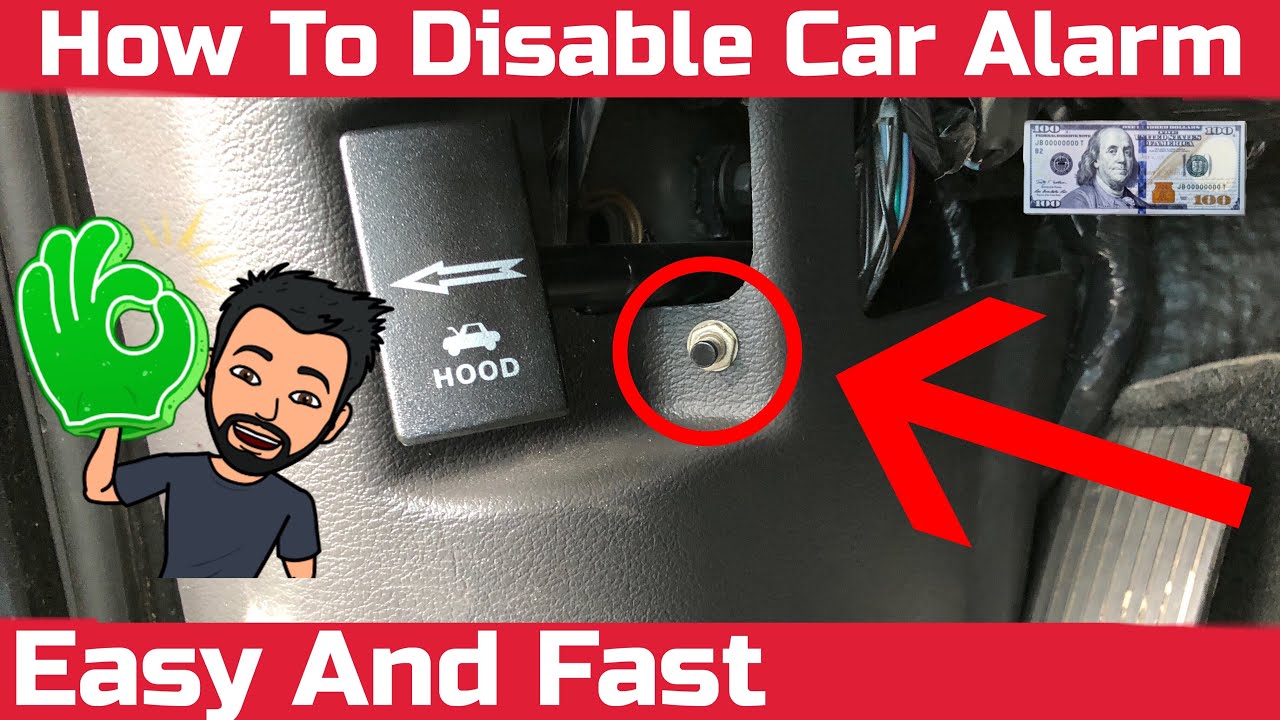
How to Stop a Car Alarm
Few sounds are as jarring and universally unwelcome as a blaring car alarm, especially when it’s your own vehicle causing the disturbance. Whether triggered accidentally, by a malfunction, or by an actual security threat, a continuously sounding alarm can quickly become a source of stress for both you and your neighbors. Understanding the various methods to quickly stop a car alarm is not just convenient; it’s an essential skill for any car owner. This comprehensive guide will walk you through immediate deactivation techniques, common troubleshooting steps, and preventative measures to ensure your peace of mind and maintain neighborly goodwill.
Understanding Your Car’s Alarm System
Modern car alarm systems are sophisticated networks designed to protect your vehicle from theft and vandalism. They typically include sensors for impact, door opening, hood and trunk access, and sometimes even motion within the cabin. When any of these sensors are triggered, the system activates the vehicle’s horn or a dedicated siren, flashes the lights, and may even immobilize the engine. While highly effective, these systems can sometimes be overly sensitive or develop glitches, leading to false alarms. Knowing how your specific alarm operates can often be the first step in silencing it efficiently.
Immediate Steps to Deactivate a Sounding Car Alarm
When your car alarm suddenly erupts, quick action is key to restoring quiet. Several common methods can be employed to stop the noise, ranging from simple remote commands to more direct interventions. It’s advisable to try these steps in order of simplicity and least invasiveness first.
Using Your Key Fob to Stop the Alarm
The key fob is your primary tool for interacting with your car’s security system.
- Press the “Unlock” button: Often, simply unlocking the car with the key fob will disarm the alarm.
- Press the “Lock” button: In some systems, pressing the lock button again can also reset or disarm the alarm.
- Press the “Panic” or “Alarm” button again: If you accidentally triggered the alarm using the panic button, pressing it a second time will usually deactivate it.
- Start the engine: For many vehicles, inserting the key into the ignition and starting the engine will signal to the car that an authorized user is present, thus disarming the alarm.
Manual Deactivation with the Car Key
If your key fob isn’t working—perhaps due to a dead battery or signal interference—using the physical key is the next logical step. Insert the key into the driver’s side door lock and manually unlock the door. This action often disarms the security system, as it signifies an authorized entry. Try locking and unlocking the door several times if the first attempt doesn’t work.
Disconnecting the Battery Temporarily
This is a more drastic measure but can be necessary if other methods fail, especially in cases of system malfunction. Disconnecting the battery will cut power to the entire vehicle, including the alarm system.
- Locate your car battery, usually under the hood.
- Identify the negative terminal (marked with a “-” sign and often has a black cable).
- Using a wrench, loosen the nut on the negative terminal clamp.
- Carefully remove the cable from the terminal.
- Wait for about 30 seconds to a minute to ensure the system fully resets.
- Reconnect the cable to the negative terminal and tighten the nut securely.
Be aware that disconnecting the battery may reset other electronic systems in your car, such as radio presets or trip odometers.
Troubleshooting Persistent Alarm Issues
Sometimes, a car alarm isn’t just a one-off nuisance; it’s a recurring problem. Identifying the root cause is crucial for a lasting solution. The following table outlines common issues and their potential fixes.
| Issue | Potential Cause | Solution to Stop Car Alarm |
|---|---|---|
| Alarm triggers randomly | Overly sensitive sensors, faulty sensor, low car battery | Adjust sensor sensitivity (if possible), inspect and replace faulty sensors, test and charge/replace car battery |
| Alarm sounds when locking/unlocking | Key fob battery low, key fob malfunction, door latch sensor issue | Replace key fob battery, try spare key fob, inspect door latch/wiring |
| Alarm goes off after heavy rain or car wash | Water intrusion into sensors or wiring | Allow vehicle to dry, inspect for exposed wiring or corroded connections, seal any leaks |
| Alarm sounds constantly and won’t disarm | System malfunction, main module fault | Perform battery disconnect reset, check fuses, seek professional diagnosis |
When to Seek Professional Help for Your Car Alarm
While many car alarm issues can be resolved with DIY methods, there are times when professional assistance is warranted. If your alarm continues to malfunction despite your best efforts, or if you suspect a deeper electrical problem, it’s wise to consult a qualified mechanic or an automotive electrician. They have specialized diagnostic tools to pinpoint complex issues within your vehicle’s security system, ensuring a correct and lasting repair. Attempting to tamper with advanced alarm systems without proper knowledge can inadvertently cause further damage or compromise your vehicle’s security.
FAQ: How to Stop Car Alarm Questions
Q: Why does my car alarm keep going off randomly?
A: Random triggers often point to an overly sensitive sensor, a faulty sensor (e.g., hood pin switch, door latch sensor), or a weak car battery. A low battery can cause voltage fluctuations that confuse the alarm system.
Q: Can I permanently disable my car alarm?
A: While it might be possible to permanently disable the alarm by removing fuses or disconnecting specific components, it’s generally not recommended. Doing so can compromise your vehicle’s security and may void warranties or lead to other electrical issues. It’s better to repair the problem.
Q: What if my key fob battery is dead and the alarm is sounding?
A: If your key fob battery is dead, use the physical key to manually unlock the driver’s door. This action often disarms the alarm. If it doesn’t, try starting the car with the key in the ignition, or resort to temporarily disconnecting the car battery.
Q: My car alarm goes off every time I lock the car. What’s wrong?
A: This could indicate a fault with a door, hood, or trunk latch sensor that isn’t registering as fully closed, even when it is. The alarm system thinks an entry point is open when you try to arm it. Check all doors, hood, and trunk to ensure they are securely latched.
Q: Is there a specific fuse I can pull to stop the alarm?
A: Many vehicles have a dedicated fuse for the alarm or horn. Consult your car’s owner’s manual to identify the correct fuse. Pulling this fuse might silence the alarm, but remember that it will also disable that specific component, and the underlying issue will remain unresolved.
Stopping a car alarm quickly and effectively is a valuable skill for any driver. By understanding your vehicle’s system and knowing the various deactivation methods, you can swiftly resolve most alarm-related nuisances. From utilizing your key fob to disconnecting the battery, a range of solutions exists to restore quiet. Addressing the root cause of persistent alarms is crucial for long-term peace of mind, preventing future disruptions. If simple fixes don’t work, don’t hesitate to seek professional help to ensure your car’s security system functions correctly and reliably.
Author