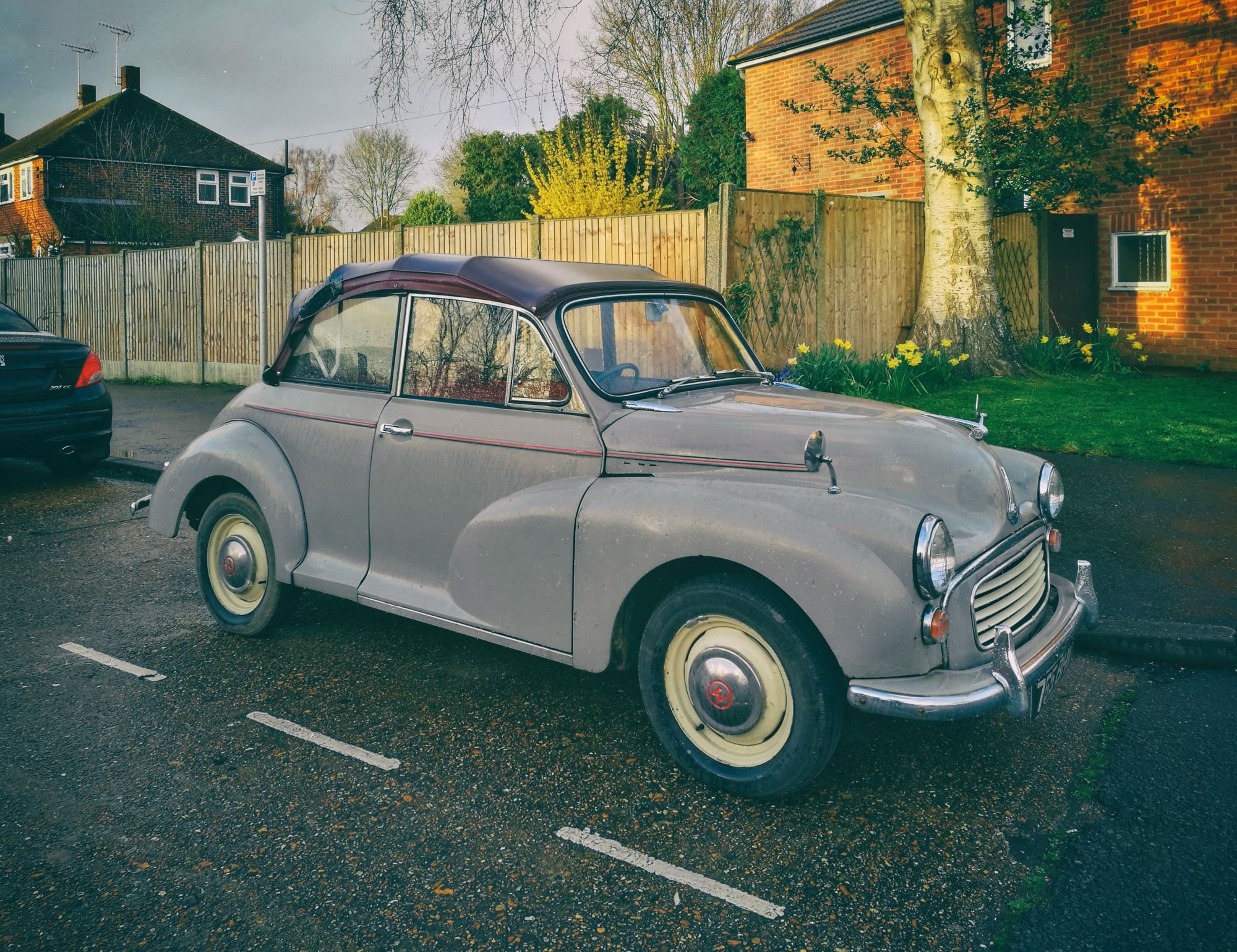
How Old Is A Classic Car In The UK
The allure of classic cars is undeniable, captivating enthusiasts with their timeless designs, engineering marvels, and a tangible connection to automotive history. Owning and maintaining one of these cherished vehicles offers a unique blend of passion and prestige. However, when considering a classic car purchase or understanding the benefits of ownership in the United Kingdom, a fundamental question often arises: exactly how old is a classic car in the UK? The answer, as many enthusiasts discover, isn’t always straightforward, varying across different official bodies and even subjective interpretations.
The UK’s Official Stance on Classic Car Age
When it comes to official classifications, the UK government primarily defines classic cars through criteria related to taxation and roadworthiness. These definitions are crucial for understanding legal exemptions and requirements for older vehicles.
DVLA and VED Exemption Criteria for Historic Vehicles
The Driver and Vehicle Licensing Agency (DVLA) is the primary body for vehicle registration and licensing in the UK. For the purpose of Vehicle Excise Duty (VED), commonly known as road tax, a vehicle becomes exempt when it reaches 40 years of age. This is a rolling exemption, meaning that on 1 April each year, vehicles manufactured 40 years prior become eligible for free road tax. For example, on 1 April 2024, vehicles built before 1 January 1984 became eligible. This historic vehicle status is a significant benefit for owners of truly vintage cars.
MOT Exemption for Historic Vehicles
Another important official exemption relates to the annual MOT (Ministry of Transport) test, which assesses a vehicle’s roadworthiness. Similar to VED, vehicles over 40 years old are exempt from the MOT test, provided they have not been substantially modified in the last 30 years. Substantial modification includes changes to the chassis, monocoque body, axles, or engine. Owners of these historic vehicles are still legally responsible for ensuring their cars are roadworthy, even without the formal test. This places a greater onus on the owner for regular checks and maintenance.
Beyond Official Definitions: Insurance and Enthusiast Perspectives
While government bodies have clear age-based definitions, other sectors and communities often adopt broader or more nuanced criteria for what constitutes a classic car. These alternative viewpoints are equally important for a holistic understanding.
How Insurance Companies Define a Classic Car
Insurance companies typically have their own specific criteria, which can differ significantly from the DVLA’s 40-year rule. Many insurers consider a car a classic when it is between 15 and 25 years old. Some might extend this to vehicles as young as 10 years old if they are considered rare, desirable, or future classics. Key factors insurance providers often look at include:
- Limited annual mileage
- Garaged storage
- Maintained in excellent condition
- Used for pleasure rather than daily commuting
- Agreed value policies, which fix the car’s value in advance
It is always advisable to check with specialist classic car insurers, as their policies are tailored to the unique needs of these vehicles.
The Enthusiast’s View: What Makes a Car a Classic?
Among car enthusiasts and collectors, the definition of a classic car often transcends mere age. While age is a factor, it’s often combined with elements like rarity, iconic design, historical significance, cultural impact, and engineering innovation. A car might be relatively young but considered a “modern classic” if it represents a significant milestone or possesses exceptional qualities. These vehicles, often between 10 and 25 years old, are appreciated for their potential to appreciate in value and their distinctive character. The subjective nature of this definition allows for a wider range of vehicles to be celebrated.
Key Milestones in UK Classic Car Age
Understanding the different classifications can be made clearer by comparing the various criteria side-by-side. The table below outlines how different entities define classic or historic vehicles in the UK.
| Definition Body / Context | Typical Age Range | Key Criteria / Notes |
|---|---|---|
| DVLA (VED Exemption) | 40+ years old (rolling) | Exempt from Vehicle Excise Duty (Road Tax). Based on build date. |
| DVSA (MOT Exemption) | 40+ years old (rolling) | Exempt from annual MOT test, provided no substantial modifications in last 30 years. |
| Insurance Companies | 10-25+ years old | Varies widely. Often includes low mileage, garaged, good condition, specific usage. Specialist policies. |
| Enthusiast / Modern Classic | 10-25 years old | Not strictly age-bound. Based on design, rarity, performance, cultural significance, future collectability. |
| General ‘Classic’ Perception | 25-50+ years old | Broad, informal perception often blending official and enthusiast views. |
Maintaining Your Classic Car’s Status
Whether for official exemptions or enthusiast appeal, proper care is paramount. Here are some essential tips for preserving your classic vehicle:
- Regular maintenance is critical, often more frequent than modern cars.
- Source genuine or high-quality reproduction parts to maintain authenticity.
- Store the vehicle in a dry, secure, and temperature-controlled environment.
- Drive it regularly, but mindfully, to keep mechanical components in working order.
- Keep detailed records of all maintenance, repairs, and modifications.
- Consider professional detailing and rust prevention treatments.
- Join classic car clubs for advice, resources, and social events.
Frequently Asked Questions About Classic Car Age in the UK
Q1: What is the exact age for a classic car in the UK for road tax exemption?
A1: For road tax exemption, a vehicle must be 40 years old. This is a rolling exemption, meaning on April 1st each year, cars manufactured 40 years prior become eligible.
Q2: Does a classic car need an MOT in the UK?
A2: Vehicles that are over 40 years old are exempt from the annual MOT test, provided they have not undergone substantial changes in the last 30 years. Owners are still legally required to ensure the vehicle is roadworthy.
Q3: How do insurance companies classify classic cars?
A3: Insurance companies typically define classic cars based on age (often 10-25 years old), limited mileage, garaged storage, excellent condition, and non-daily use. They often offer specialist classic car insurance policies.
Q4: Can a car less than 40 years old be considered a classic?
A4: Yes, absolutely. While not qualifying for official VED or MOT exemptions, many cars between 10 and 25 years old are widely considered “modern classics” by enthusiasts and often qualify for specialist classic car insurance due to their design, rarity, or historical significance.
Q5: What is a “modern classic”?
A5: A modern classic is generally a car that is too young to be an “historic vehicle” (under 40 years old) but is recognized for its significant design, engineering, performance, or cultural impact, and is expected to appreciate in value or become highly collectible in the future. They are typically between 10 and 25 years old.
Defining the age of a classic car in the UK is clearly a multifaceted topic, blending official regulations with the passionate perspectives of enthusiasts and the practicalities of insurance. While the 40-year rolling exemption from VED and MOT provides a clear legal benchmark for historic vehicles, the broader classic car community embraces a wider age range, often recognizing cars as young as 10-15 years old. This diverse understanding ensures that a rich tapestry of automotive heritage, from vintage beauties to modern icons, continues to be cherished across the country. Ultimately, whether driven by legal status or sheer adoration, the classic car scene in the UK remains vibrant and welcoming to a vast array of beloved automobiles.
Author