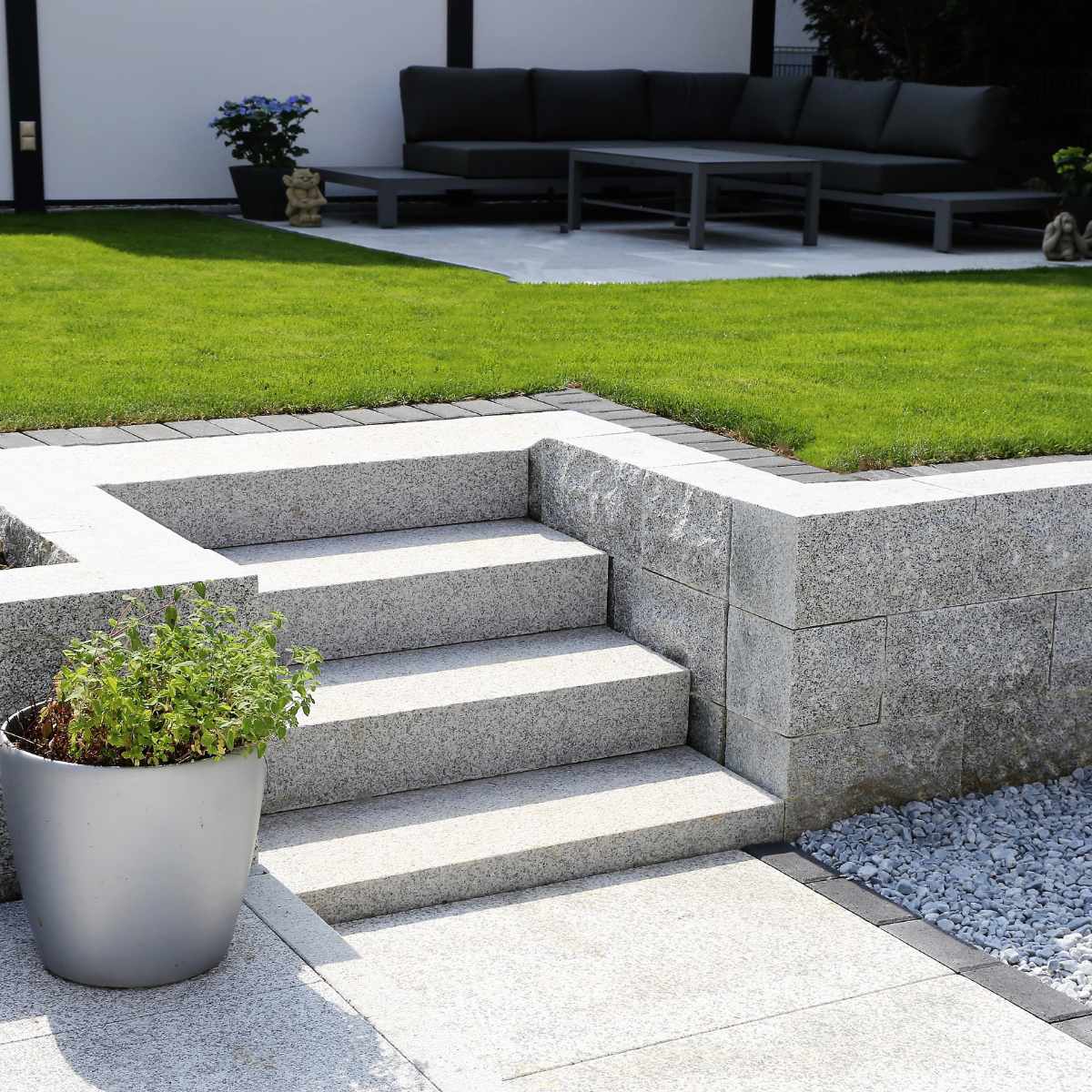
How to Construct Garden Steps
How to Construct Gorgeous Garden Steps: A Step-by-Step Guide
Constructing garden steps can transform your outdoor space, adding both functionality and aesthetic appeal. Whether you’re navigating a slope or creating a feature, well-built steps enhance accessibility and connect different zones of your garden. This guide will walk you through the process of how to construct garden steps, ensuring a durable and beautiful result for your landscape.
Planning Your Garden Steps
Before you dig, careful planning is essential for successful garden step construction. Consider the purpose of your steps, the desired height and width, and the style that best complements your garden’s design. Understanding the terrain and ensuring proper drainage are also critical aspects of this initial phase.
Choosing Your Materials
The choice of materials significantly impacts the look, durability, and cost of your garden steps. Each material offers unique advantages and aesthetic qualities.
* **Natural Stone:** Provides a timeless, organic look and excellent durability. Options include flagstone, slate, and granite.
* **Pavers/Bricks:** Offer a wide range of colors, shapes, and laying patterns for a more formal or decorative appearance.
* **Concrete:** A versatile and cost-effective option that can be poured into various shapes or pre-cast.
* **Wood:** Creates a warm, natural feel but requires regular maintenance to prevent rot and decay.
Material Comparison
| Material | Durability | Aesthetics | Maintenance | Cost |
| :———— | :——— | :————– | :———- | :——– |
| Natural Stone | Excellent | Rustic, elegant | Low | High |
| Pavers/Bricks | Good | Versatile | Low | Medium |
| Concrete | Excellent | Modern, plain | Very Low | Low |
> Remember to consider the prevailing weather conditions in your area when selecting materials. Some materials may require more upkeep in regions with harsh winters or high humidity.
Designing and Measuring
Once materials are chosen, it’s time to design and measure for your specific garden. This involves determining the rise and run of each step, ensuring they are consistent and comfortable for use.
Calculating Rise and Run
The rise is the vertical height of a step, and the run is the horizontal depth. A comfortable rise is typically between 6-8 inches, and a run between 10-14 inches. You can calculate the number of steps needed by dividing the total elevation change by your desired rise.
For example, if your garden has an elevation change of 30 inches and you aim for a 6-inch rise, you’ll need approximately 5 steps (30 inches / 6 inches/step = 5 steps).
Constructing the Garden Steps
With planning and design complete, you can begin the construction process. This typically involves excavation, creating a stable base, and setting your chosen materials.
Step 1: Excavation
Dig out the area where the steps will be located. The depth should accommodate the depth of your steps, plus a base layer for stability.
Step 2: Building the Base
A solid foundation is crucial for preventing shifting and sinking. Lay down a layer of gravel (about 4-6 inches) and compact it thoroughly. For more robust steps, consider adding a layer of sand on top of the gravel.
Step 3: Laying the Steps
Begin laying your chosen material. Ensure each step is level and securely set. Use a rubber mallet to gently tap pieces into place.
Maintaining Your Garden Steps
Proper maintenance will ensure your garden steps remain safe and attractive for years to come. Regular cleaning and occasional repairs are key.
Cleaning and Sealing
Sweep steps regularly to remove debris. For stone or concrete, occasional power washing can remove stubborn dirt. Consider sealing natural stone or wood steps to protect them from the elements.
Frequently Asked Questions About Garden Steps
Here are answers to some common questions about constructing garden steps.
Q1: How deep should garden steps be?
A1: The depth, or run, of garden steps should ideally be between 10 to 14 inches to provide comfortable footing.
Q2: What is the best material for garden steps?
A2: The “best” material depends on your aesthetic preferences, budget, and the climate. Natural stone and concrete are highly durable, while wood offers a warmer look.
Q3: How do I ensure my garden steps are stable?
A3: A well-compacted gravel and sand base, along with proper drainage, are essential for stable garden steps.
In conclusion, constructing garden steps is a rewarding project that can significantly enhance your garden’s usability and beauty. By carefully planning your design, selecting appropriate materials, and ensuring a solid construction process, you can create steps that are both functional and visually appealing. Remember to prioritize safety and consistency in rise and run for comfortable passage. With a little effort, your new garden steps will become a cherished feature of your outdoor living space for years to come.
Author