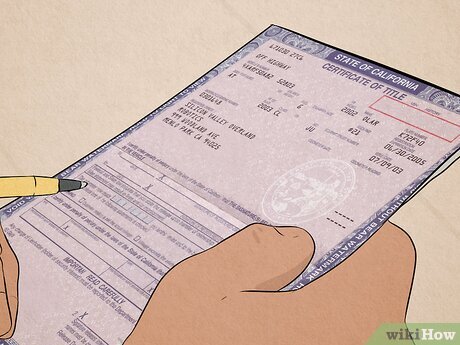
How to Find Out Who Owns a Car
Cracking the Code: How to Discover the Owner Behind Any Car
Ever found yourself wondering about the story behind a particular vehicle? Perhaps you’ve seen a car with a unique license plate, observed a vehicle frequently parked in your neighborhood, or even been involved in a minor traffic incident and need to identify the responsible party. Knowing how to find out who owns a car is a valuable skill, whether for curiosity’s sake or for more practical, and sometimes legal, reasons. This comprehensive guide will walk you through the legitimate and effective methods for uncovering car ownership details, ensuring you have the knowledge to navigate these inquiries responsibly.
Unveiling Car Ownership: The Initial Steps
Before diving into official channels, there are a few preliminary steps you can take. These often provide initial clues without requiring formal processes. Understanding these early approaches can save you time and effort in your quest to identify a car’s owner.
The Power of Observation and Public Information
Sometimes, the simplest methods yield the most straightforward answers. A close look at the vehicle itself, combined with an awareness of publicly available information, can often be surprisingly effective.
- License Plate Check: The most obvious identifier is the license plate. While you can’t directly look up an owner’s name from a license plate in most jurisdictions due to privacy laws, it’s the crucial piece of information needed for any official inquiry.
- VIN (Vehicle Identification Number): This unique 17-character code is the car’s fingerprint. It’s usually found on the dashboard near the windshield, on the driver’s side doorjamb, or on the vehicle’s registration and insurance documents. The VIN is essential for detailed vehicle history reports.
- Vehicle Decals and Markings: Sometimes, commercial vehicles might have company names or logos, offering a direct lead to the owning entity.
The VIN is a unique identifier for each vehicle, akin to a social security number for cars. It contains information about the manufacturer, model year, and manufacturing plant.
Navigating Official Channels for Car Ownership Information
When observational methods aren’t enough, you’ll need to turn to more official avenues. These processes can vary significantly by location, but generally involve governmental agencies or specialized services. It’s important to understand that direct access to personal owner information is heavily restricted to protect privacy.
When and How to Contact Law Enforcement
In situations involving illegal activity, accidents, or public safety concerns, law enforcement agencies are the primary resource. They have the legal authority to access vehicle registration information.
Situations Requiring Police Involvement:
- Hit-and-run incidents.
- Suspicious vehicles involved in criminal activity.
- Parking violations or disputes where other methods have failed.
When contacting the police, provide them with as much detail as possible, including the license plate number, make, model, color of the car, and the time and location of the incident or observation. They can then use their databases to trace the registered owner.
The Role of Department of Motor Vehicles (DMV) or Equivalent Agencies
The Department of Motor Vehicles (DMV) in the United States, or its equivalent in other countries (often called DVLA, Transport for London, or similar), maintains vehicle registration records. However, directly obtaining owner information from the DMV is typically not possible for the general public due to privacy regulations like the Driver’s Privacy Protection Act (DPPA) in the US.
| Agency | Primary Role | Public Access to Ownership Info |
|---|---|---|
| DMV/DVLA | Vehicle registration, licensing | Restricted; requires specific legal justification (e.g., law enforcement, legal proceedings) |
| Law Enforcement | Public safety, crime investigation | Authorized access to registration databases for official duties |
Access is usually granted only under specific circumstances, such as:
- If you are involved in a legal dispute or lawsuit where vehicle ownership is relevant.
- For insurance investigations.
- For debt collection agencies with proper legal standing.
- For licensed private investigators acting on behalf of a client with a legitimate need.
Exploring Third-Party Services and Professional Help
For those who cannot involve law enforcement or don’t meet the strict criteria for DMV access, third-party services and professionals offer alternative routes, albeit often with associated costs.
Vehicle History Reports and VIN Decoders
Services that provide vehicle history reports (like Carfax or AutoCheck) primarily use the VIN to compile information about a car’s past, including accidents, title issues, and previous owners. While these reports don’t directly give you the current owner’s name, they can offer valuable context about the vehicle, which might indirectly help in identifying an owner, especially if previous owners are listed.
VIN decoders are tools that translate the 17-character VIN into understandable information about the vehicle’s specifications and manufacturing details.
These services are excellent for understanding a car’s background but are not designed for direct owner identification by the general public.
Private Investigators: The Professional Approach
Licensed private investigators (PIs) are professionals trained in information gathering. They often have legal access to databases and methods that the average person does not. If you have a legitimate reason to find out who owns a car and have exhausted other options, hiring a PI is a viable, though typically expensive, solution.
Reasons to hire a PI:
- Complex legal cases.
- Locating a vehicle for repossession.
- Investigating fraud or other civil matters.
A PI will conduct a thorough investigation, respecting all privacy laws and ethical guidelines during their search.
Frequently Asked Questions (FAQ)
Q1: Can I legally find out the owner’s name just by having the license plate number?
Generally, no. Privacy laws restrict direct public access to owner information from license plates. Law enforcement and authorized entities can access this information, but not the general public in most cases.
Q2: What information can I get from a VIN decoder?
A VIN decoder provides details about the vehicle’s manufacturing, such as make, model, year, engine type, safety features, and sometimes a history of title issues or accidents. It typically does not reveal the current owner’s personal information.
Q3: Is it legal to track a car’s owner for personal reasons, like curiosity?
No, using a car’s license plate or VIN for personal curiosity to identify an owner is not a legal or ethical use of the information and may violate privacy laws. Information should only be sought for legitimate legal, safety, or business purposes.
Conclusion
Discovering who owns a car requires navigating a landscape governed by privacy laws and specific regulations. While direct owner identification from a license plate is generally not possible for the public, understanding the proper channels is key. Law enforcement remains the most direct route for official inquiries related to incidents or suspected illegal activity. For those with legitimate, non-emergency needs, specialized third-party services and licensed private investigators offer avenues, though these often come with costs and specific requirements. Always remember to act within legal and ethical boundaries when seeking such information. Responsible inquiry ensures that privacy is respected while addressing valid concerns.
Author