The Myth of the Stationary Tire How Your Car Turns
It’s a common misconception to wonder if a particular tire might cease its rotation when a vehicle navigates a turn‚ perhaps believing one remains stationary to facilitate the maneuver. However‚ the intricate engineering of modern automobiles dictates that every single tire plays a crucial and active role‚ consistently moving and adapting to ensure the car executes a turn smoothly and safely. Understanding the sophisticated mechanics behind how a car turns reveals that all four wheels are continuously engaged‚ each contributing to the vehicle’s directional change through varying speeds and forces. This article will delve into the fascinating physics of automotive turning‚ explaining why the idea of a stationary tire during a turn is a myth‚ and highlighting the vital function of each wheel in maintaining control and stability.
The Mechanics of a Right Turn and Tire Engagement
When a driver initiates a right turn‚ a complex interplay of forces and mechanical components springs into action. The steering system directs the front wheels‚ while the differential allows the wheels on the same axle to rotate at different speeds. This ingenious device is fundamental to safe and efficient turning‚ preventing tire scrub and excessive strain on the drivetrain.
Inner vs. Outer Wheel Speeds During a Turn
During any turn‚ whether left or right‚ the wheels on the inside of the turn travel a shorter distance compared to those on the outside. Consequently‚ for the car to turn smoothly without dragging a tire‚ the inner wheels must rotate slower than the outer wheels. For example‚ in a right turn‚ the right-side wheels (inner) will rotate at a reduced speed relative to the left-side wheels (outer)‚ which cover a greater arc. It is critical to understand that both sets of wheels are always in motion; their speeds simply vary to accommodate the different distances traveled.
The Vital Role of Each Tire
Each tire on your vehicle has a distinct‚ yet interconnected‚ role in facilitating a turn:
- Front Outer Wheel: Bears significant load and provides much of the lateral grip needed to pull the car through the turn.
- Front Inner Wheel: Contributes to steering input and stability‚ albeit with less load than its outer counterpart.
- Rear Outer Wheel: Follows a wider arc‚ providing stability and often propulsion‚ depending on the drivetrain.
- Rear Inner Wheel: Travels the shortest distance‚ assisting in maintaining the car’s trajectory and balance.
Factors Influencing Tire Performance During Turns
The ability of a car’s tires to perform optimally during turns is not solely dependent on the differential; several other factors significantly influence their effectiveness and safety. These elements‚ ranging from the tire itself to the vehicle’s setup‚ collectively determine how well your car grips the road and maintains stability during cornering. Maintaining these aspects is crucial for both performance and safety.
Here’s a breakdown of key factors affecting tire behavior during turns:
| Factor | Impact on Turning Performance |
|---|---|
| Tire Pressure | Correct inflation ensures the tire’s full contact patch meets the road‚ providing optimal grip and stability. Under-inflation leads to excessive sidewall flex and reduced responsiveness; over-inflation reduces the contact patch and grip. |
| Tread Design | Specific tread patterns are engineered for different conditions (e.g.‚ wet‚ dry‚ snow). They channel water away‚ provide biting edges‚ and determine the tire’s overall grip characteristics during turns. |
| Tire Compound | The rubber mixture dictates the tire’s stickiness and wear rate. Softer compounds offer superior grip‚ especially in dry conditions‚ but wear faster. Harder compounds last longer but provide less ultimate grip. |
| Suspension Setup | The suspension system manages weight transfer during cornering. A well-tuned suspension ensures tires maintain consistent contact with the road‚ optimizing grip and reducing body roll. |
| Wheel Alignment | Proper alignment (caster‚ camber‚ toe) ensures the tires are angled correctly relative to the road and each other. Incorrect alignment can lead to uneven tire wear‚ reduced stability‚ and compromised handling during turns. |
To ensure optimal tire performance and safety when turning‚ consider these practical tips:
- Regularly check and maintain correct tire pressure as specified by the manufacturer.
- Inspect tire treads for wear and replace tires when they reach their minimum safe depth.
- Choose tires appropriate for your driving conditions and climate.
- Have your vehicle’s alignment checked periodically‚ especially after hitting potholes or curb.
- Avoid sudden‚ aggressive steering inputs at high speeds‚ which can overwhelm tire grip.
Ensuring Optimal Tire Health for Safe Maneuvering
The condition of your tires is paramount not only for comfortable driving but‚ more importantly‚ for safety. Healthy tires ensure maximum grip‚ effective braking‚ and precise steering‚ all of which are critical during turns. Neglecting tire maintenance can lead to unpredictable handling‚ increased stopping distances‚ and a higher risk of accidents.
Regular Inspections and Maintenance
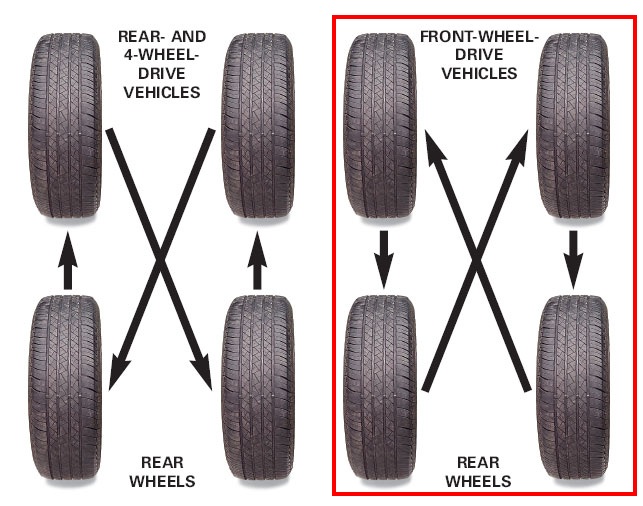
Routine checks of your tires are simple yet incredibly effective. Look for any signs of uneven wear‚ cuts‚ bulges‚ or embedded objects. Check the tire pressure at least once a month and before long trips‚ including the spare. Rotating your tires according to your vehicle’s maintenance schedule helps promote even wear across all four tires‚ extending their lifespan and ensuring consistent handling characteristics.
Frequently Asked Questions (FAQ)
Q: Does one tire stop moving when a car turns?
No‚ absolutely not. All four tires on a car continue to move when it turns. The differential allows the wheels on the same axle to rotate at different speeds‚ with the inner wheels turning slower than the outer wheels to accommodate the different distances traveled during the turn.
Q: How does a differential help with turning?
A differential is a mechanical device that allows the wheels on the same axle to rotate at different speeds. Without it‚ both wheels would have to spin at the same rate‚ causing one tire to drag or skip during a turn‚ leading to tire wear and instability.
Q: Why is tire pressure important for turning?
Correct tire pressure ensures the tire’s full tread width makes even contact with the road. This maximizes grip and provides predictable handling during turns. Incorrect pressure can lead to reduced contact‚ uneven wear‚ and compromised stability.
Q: Can worn tires affect steering?
Yes‚ significantly. Worn tires have less tread depth‚ which reduces their ability to grip the road‚ especially in wet conditions. This can lead to less precise steering‚ increased stopping distances‚ and a higher risk of skidding or losing control during turns.
Q: Do front-wheel drive and rear-wheel drive cars turn differently?
While the fundamental principle of all wheels moving at varying speeds remains‚ the driving wheels’ involvement differs. In front-wheel drive‚ the front tires both steer and provide propulsion‚ often leading to understeer. In rear-wheel drive‚ the front tires primarily steer‚ while the rear tires provide propulsion‚ which can lead to oversteer if pushed too hard. All-wheel drive systems distribute power to all wheels‚ often adapting to optimize grip during turns.
Understanding how your car’s tires behave during a turn is more than just a piece of trivia; it’s fundamental to safe and effective driving. Every wheel is an active participant‚ constantly moving and adapting to the demands of directional change‚ thanks to sophisticated engineering like the differential. By recognizing the roles of each tire and the various factors influencing their performance‚ drivers can better appreciate the dynamics at play. Maintaining optimal tire health and being mindful of driving conditions are crucial steps in ensuring that your vehicle handles predictably and safely through every curve and corner‚ keeping you and your passengers secure on the road.
Author