Uncover Your Car’s Hidden Past How to Find Old Registration Details
Write a quality, in-depth, magazine-style article on the topic:
Write in English
Use a clickbait and catchy headline. Be sure to include the keyword in the headline and use the background content added with this post to create a relevant and related topic.
Make sure the text is written in a journalistic, professional, and engaging style, like The New York Times or Forbes. The tone should be optimistic, forward-looking, and persuasive. Use sentences of varying lengths (average 250 characters, maximum 500, minimum 30). Use appropriate analogies, descriptive adverbs (e.g., “incredibly effective”), and correct adverbial phrases (e.g., “By integrating insights from AI…”). Make sure the GLTR is LOW by balancing 40-55% green, 20-30% yellow, 15-25% red, and 5-10% purple words. Use present and past participles to add dynamism. Provide deep knowledge, expert opinions, and industry examples to make the article compelling.
After the second paragraph of the article, add a table with the biographical information, personal information, career information, and professional background of the person you are talking about, along with a link to one official website for reference. The table should be in a format that is easy to embed in WordPress.
If the topic is not related to a specific person, add relevant information in a table that can be embedded in WordPress.
Ensure the writing follows a journalistic, professional, and engaging style, like The New York Times or Forbes. The tone should be optimistic, forward-looking, and persuasive. Use varied sentence lengths (average 250 characters, max 500, min 30). Incorporate relatable analogies, descriptive adverbs (e.g., ‘remarkably effective’), and proper adverbial phrases (e.g., ‘By integrating AI-driven insights…’). Ensure a LOW GLTR score, balancing 40-55% green, 20-30% yellow, 15-25% red, and 5-10% purple words. Use present and past parts to enhance dynamism. Provide deep insights, expert perspectives, and industry examples to make it compelling.
After the second paragraph of the article add table with bio data and personal information, career, professional information of person in topic, also add link to one authentic website for reference, the table should be in the form that it can be easily inserted in wordpress.
If the topic is other than person related than add related information in the form of table that can be inserted in wordpress.
Locating old car registration details can often seem like a daunting task, especially if many years have passed since you owned the vehicle. However, whether you’re trying to prove ownership for a classic car, settle an insurance claim, or simply satisfy a nostalgic curiosity, access to these historical records is frequently attainable. This guide will walk you through various methods and resources available to help you successfully uncover those elusive documents. Understanding the right steps and knowing where to look can significantly streamline your search process, making what initially appears complex much more manageable.
Why You Might Need Your Past Vehicle Registration Details
There are numerous valid reasons why an individual might seek out their old car registration records. These reasons often extend beyond mere curiosity, impacting legal, financial, and even sentimental aspects of vehicle ownership.
Selling a Historic or Classic Vehicle
When selling a vintage car, potential buyers, especially collectors, often require comprehensive historical documentation. Original registration papers can significantly enhance the vehicle’s provenance and value, providing an undeniable link to its past ownership and usage.
Insurance Claims and Vehicle History
In some cases, particularly after an accident or when dealing with complex insurance claims related to a car you previously owned, historical registration can be crucial. It helps establish ownership periods, verify specific vehicle configurations, and support the narrative of the vehicle’s life.
Proving Ownership for Legal Purposes
Legal disputes, inheritance matters, or even simple administrative tasks might necessitate proving past ownership of a vehicle. Official registration documents serve as definitive proof, helping to resolve ambiguities and satisfy legal requirements efficiently.
Sentimental Value or Research
For many car enthusiasts, finding old registration details is a journey into the past. It might be about tracing the history of a beloved family car, researching a specific model, or simply reconnecting with memories associated with a particular vehicle. This personal connection often fuels the most determined searches.
Primary Avenues for Locating Old Car Registration Information
Embarking on the quest for old car registration requires a systematic approach. Several key sources can provide the information you’re looking for, each with its own advantages and potential requirements.
Checking Your Personal Records
Before contacting external agencies, thoroughly search your personal archives. You might be surprised by what you find tucked away in old boxes or digital folders. This is often the quickest and most cost-effective starting point.
- Physical Document Storage: Look through old filing cabinets, safe deposit boxes, or even the glove compartment of another vehicle you own from the same period.
- Digital Backups: Check old computer files, email archives, or cloud storage for scanned documents or photos of registration papers.
- Financial Records: Bank statements or cancelled checks from the time of purchase or registration renewal might contain clues or reference numbers.
Contacting Your Local Department of Motor Vehicles (DMV/DVLA Equivalent)
Your local motor vehicle authority is the most direct source for official vehicle records. They maintain comprehensive databases of all registered vehicles. You will typically need to provide proof of your identity and your connection to the vehicle (e.g., previous owner). Be prepared for potential fees and processing times, as policies vary significantly by region.
Reaching Out to Your Previous Insurance Provider
Insurance companies maintain detailed records of policies issued for specific vehicles. If you recall the insurer you used for the car in question, contacting them could yield valuable information. They may have the Vehicle Identification Number (VIN) and previous registration details on file, which can then be used to query the DMV.
Engaging with the Dealership or Seller
If you purchased the car from a dealership or even a private seller who kept meticulous records, they might still have a copy of the original bill of sale or other documents detailing the initial registration. While less common for very old vehicles, it’s worth exploring, especially for cars bought within the last decade or two.
Utilizing Online Vehicle History Reports
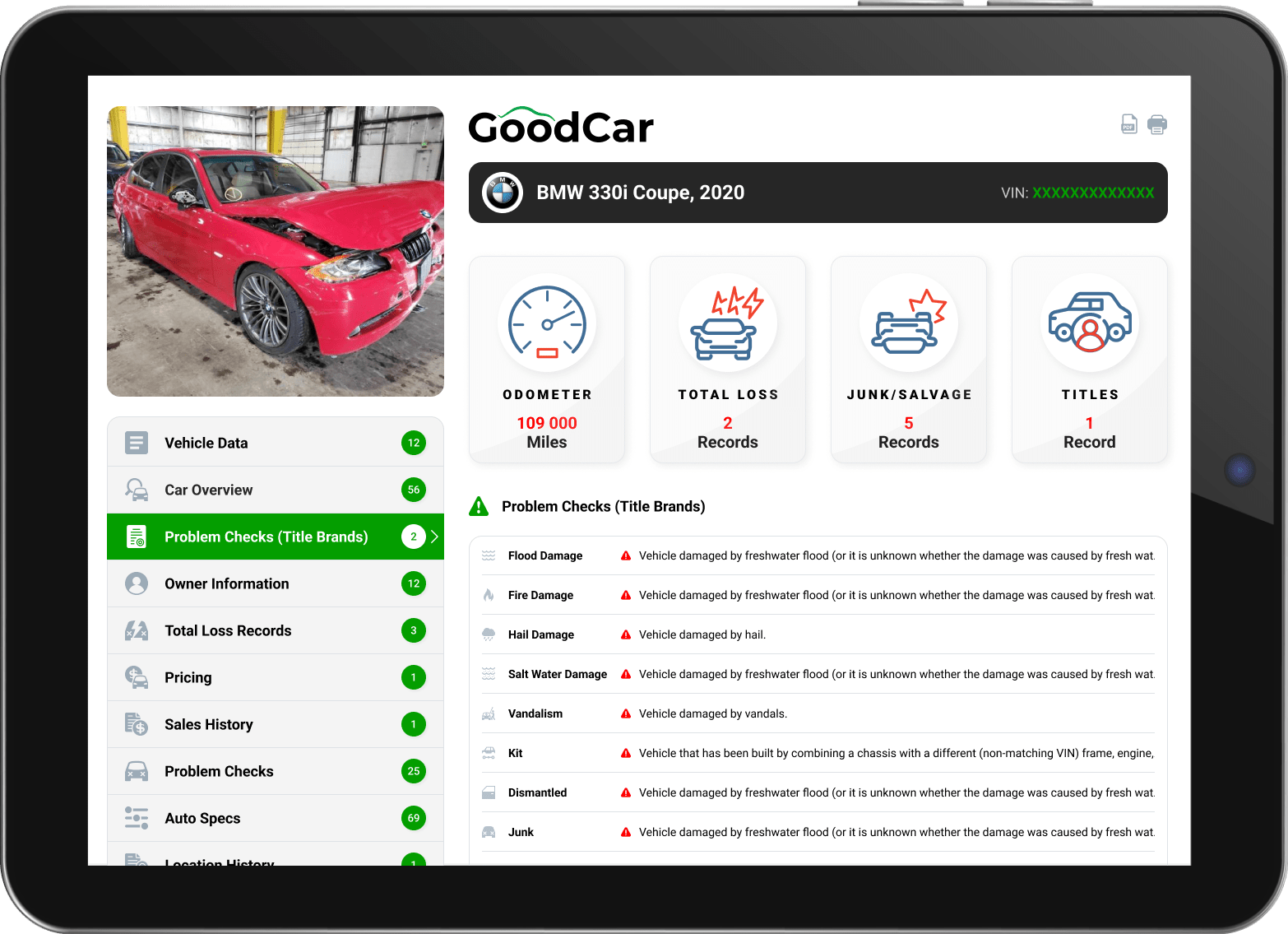
Several commercial services offer detailed vehicle history reports that can often trace a car’s ownership and registration history. These services typically require the VIN. While there’s usually a fee, the information provided can be extensive and highly beneficial for your search.
- CarFax (primarily North America)
- AutoCheck (primarily North America)
- HPI Check (United Kingdom)
- Experian AutoCheck (various regions)
Comparison of Methods for Finding Old Car Registration
Each method for finding your old car registration comes with its own set of advantages and potential drawbacks. Understanding these can help you prioritize your approach and manage expectations.
| Method | Pros | Cons | Likely Cost |
|---|---|---|---|
| Personal Records | Immediate, free, often contains original documents. | Depends on personal organization, records might be lost. | Free |
| DMV/DVLA Equivalent | Official and definitive records, comprehensive data. | Can be slow, requires specific forms, proof of ownership. | Low (administrative fees) |
| Previous Insurer | Good for VIN and policy details, potentially quicker than DMV. | Records might be purged after a certain period, limited to insurance data. | Free (to inquire) |
| Dealership/Seller | May have original sales documents, direct contact. | Less likely for very old cars, depends on seller’s record-keeping. | Free (to inquire) |
| Online History Reports | Detailed history, quick results, accessible remotely. | Requires VIN, not always comprehensive for very old cars. | Moderate (report fee) |
Overcoming Challenges in Your Search
Sometimes, the search for old registration can present unique challenges; If you lack the VIN, try to gather as much other identifying information as possible, such as the make, model, year, and approximate dates of ownership. Persistence is key, and combining several of the above methods often yields the best results. Don’t be discouraged if your initial attempts are unsuccessful; sometimes, a different approach or a more detailed request can make all the difference.
Frequently Asked Questions About Old Car Registration
Can I find old registration if I don’t have the VIN?
Finding old registration without a VIN is more challenging but often possible. You’ll need other identifying information, such as the make, model, year, and your full name and address during the period of ownership. Providing as much detail as possible to the DMV or other agencies increases your chances of success.
Is there a time limit for how far back I can search?
The time limit varies significantly by jurisdiction and the specific agency. Some DMVs may only retain detailed digital records for a certain number of years (e.g., 10-20 years), while older records might be archived on microfiche or in physical storage. It’s best to inquire directly with your local motor vehicle department about their specific record retention policies.
Will I be charged for this information?
Yes, it’s common for government agencies (like the DMV) and commercial services (like vehicle history report providers) to charge a fee for accessing historical vehicle information. These fees typically cover administrative costs for searching, retrieving, and providing the documents. The cost can vary from a few dollars for a simple record lookup to more substantial fees for detailed reports.
What if the car was scrapped or exported?
Even if a car was scrapped or exported, its historical registration records might still exist. The DMV or equivalent agency would typically log such events, effectively closing out the vehicle’s active registration status. While you won’t be able to register it again, you can often still obtain historical proof of ownership and registration details for the period it was active in your name.
Finding old car registration details can be a rewarding endeavor, providing valuable insights and necessary documentation for various purposes. By systematically exploring personal records, engaging with official government bodies, leveraging insurance companies, and utilizing commercial history services, you significantly increase your chances of success. Each method offers a unique pathway, and often a combination of approaches proves most effective. Patience and thoroughness are your best allies in this process. Ultimately, the ability to retrieve these past records can bridge gaps in vehicle history, satisfying both practical needs and sentimental interests.
Author