Understanding Car Wrap Legality in India
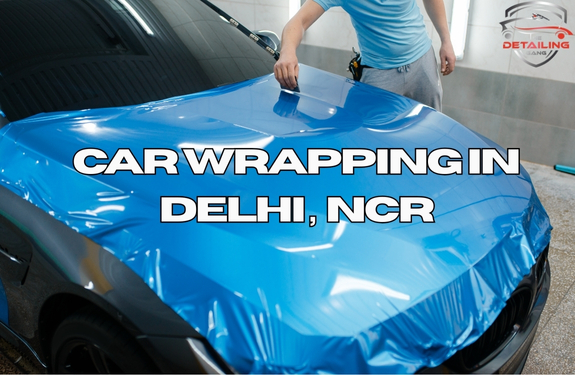
Car wrapping has emerged as a popular trend among vehicle owners seeking to personalize their automobiles or protect the original paintwork. This innovative technique allows for a complete transformation of a vehicle’s aesthetic without permanent alterations. From vibrant color changes to intricate custom designs‚ the possibilities seem endless for those looking to make a statement on the road. However‚ before embarking on this exciting customization journey‚ it is crucial for car enthusiasts in India to understand the specific legal framework governing such modifications.
Understanding the Legalities of Vehicle Wraps in India
The legality of car wrapping in India is primarily governed by the Motor Vehicles Act‚ 1988‚ and its subsequent amendments. This act outlines comprehensive regulations for vehicle registration‚ modifications‚ and road safety. While the act does not explicitly mention “car wrapping‚” it has provisions concerning changes to a vehicle’s original structure or color. Any modification that alters the fundamental characteristics recorded in the Registration Certificate (RC) requires official endorsement. This ensures that law enforcement agencies can accurately identify vehicles and maintain a standardized system.
Key Regulations Governing Car Wraps in India
The most critical aspect of car wrapping legality revolves around the vehicle’s color as registered with the Regional Transport Office (RTO). Section 52 of the Motor Vehicles Act states that any alteration to a vehicle that changes its original specifications‚ including color‚ must be approved by the registering authority. Failure to comply can lead to significant penalties. Therefore‚ if a car wrap changes the primary color of the vehicle‚ it necessitates a formal application and subsequent endorsement on the RC.
Permissible Car Wrapping Modifications in India
Not all car wrapping endeavors require extensive legal hurdles; many aesthetic enhancements are perfectly permissible. Temporary wraps that do not fundamentally change the vehicle’s registered color or structural integrity are generally allowed. This includes transparent protective films‚ minor graphic decals‚ or wraps that maintain the vehicle’s original base color while adding patterns. The key distinction lies in whether the wrap alters the vehicle’s identity as recorded in official documents.
Table: Types of Car Wraps and Their Legal Implications
| Wrap Type | Description | Legal Implication in India | RTO Endorsement Required? |
|---|---|---|---|
| Transparent Protective Film | Clear film applied over original paint for protection. | Generally permissible. | No |
| Minor Graphics/Decals | Small stickers‚ logos‚ or patterns that don’t cover a significant portion or change primary color. | Generally permissible. | No |
| Partial Color Wrap | Wrapping only a part of the car (e.g.‚ roof‚ bonnet) if the dominant registered color remains visible. | Often permissible‚ consult RTO for clarity if significant portion is covered. | Usually No‚ but advisable to check if it alters dominant color perception. |
| Full Color Change Wrap | Wrapping the entire car‚ resulting in a new primary color. | Requires RTO approval and endorsement on RC. | Yes |
| Matte/Gloss Finish Wrap | Changes texture/sheen but not the color itself (e.g.‚ gloss black to matte black). | Permissible if primary color remains the same; RTO endorsement needed if it’s considered a “color” change by definition. | Depends on RTO interpretation; usually No if color code is identical. |
| Reflective/Chameleon Wrap | Wraps that are highly reflective or change color based on viewing angle. | Often restricted or illegal due to safety concerns and potential confusion for other drivers. | Highly unlikely to be approved. |
Illegal Car Wraps and Associated Penalties in India
Ignorance of the law is no excuse‚ especially when it comes to vehicle modifications. Certain types of car wraps are explicitly illegal or heavily restricted due to safety concerns or regulatory non-compliance. These include wraps that mimic emergency service vehicles‚ such as police cars or ambulances‚ which can cause confusion and impede emergency operations. Furthermore‚ highly reflective or dazzling wraps that could impair the vision of other drivers are also prohibited.
Non-Permissible Wrapping Scenarios:
- Unendorsed Color Change: Changing the entire vehicle’s color via wrapping without prior RTO approval and updating the Registration Certificate.
- Mimicking Emergency Vehicles: Applying wraps that resemble official vehicles of law enforcement‚ fire departments‚ or medical services.
- Excessively Reflective or Dazzling Wraps: Using materials that produce excessive glare or alter light reflection in a manner dangerous to other road users.
- Obscuring Vehicle Identification: Wraps that intentionally cover or obscure the vehicle’s chassis number‚ engine number‚ or other identification marks.
Penalties for illegal car wrapping can be substantial. Violators may face fines ranging from INR 5‚000 to INR 10‚000 for a first offense‚ with higher penalties for subsequent violations. In severe cases‚ the vehicle might even be seized‚ and the owner could be required to restore the car to its original‚ registered condition. It is always prudent to err on the side of caution and ensure full compliance.
The Process of Legally Wrapping Your Car in India
For those planning a full color-change wrap‚ a specific legal procedure must be followed to avoid issues. The first step involves submitting an application to your local RTO‚ declaring the intent to change the vehicle’s color. This application should include details of the proposed new color and justification. Upon approval‚ the wrapping can proceed.
Steps for a Legal Color Change Wrap:
- RTO Application: Submit Form 34 (for hypothecated vehicles‚ requiring bank NOC) or a general application for color change to your RTO.
- Documentation: Provide necessary documents such as RC‚ insurance‚ PUC certificate‚ and identity proof.
- Inspection: The RTO may require a physical inspection of the vehicle before and/or after the wrap to verify the change.
- Approval & Endorsement: Once approved‚ the new color will be officially endorsed on your vehicle’s Registration Certificate. This process ensures your vehicle remains compliant with all regulations.
Benefits of Car Wrapping in India
Beyond the legal considerations‚ car wrapping offers a multitude of advantages that contribute to its widespread appeal. It provides an excellent protective layer for your vehicle’s original paint‚ shielding it from minor scratches‚ stone chips‚ and UV damage. This preservation can significantly help maintain the car’s resale value.
Key Advantages:
- Paint Protection: Acts as a sacrificial layer against environmental elements and minor abrasions.
- Cost-Effective Customization: Often more affordable than a full repaint‚ offering a wide range of colors and finishes.
- Reversibility: Wraps can be removed without damaging the original paint‚ allowing for temporary style changes.
- Quick Application: The wrapping process is typically faster than a conventional paint job‚ minimizing vehicle downtime.
- Resale Value: Preserves the original paintwork‚ which can be a significant advantage when selling the car.
Important Considerations Before Wrapping Your Car in India
While the benefits are clear‚ potential car wrappers should also be aware of certain considerations. The quality of the wrap material and the installer’s expertise are paramount; poor installation can lead to bubbling‚ peeling‚ or even damage to the paint upon removal. Furthermore‚ the longevity of a wrap depends heavily on its maintenance.
Points to Consider:
- Quality of Material: Invest in high-quality vinyl for durability and better finish.
- Professional Installation: Choose experienced and reputable installers to ensure a flawless application and safe removal.
- Maintenance: Wrapped cars require specific cleaning methods and care to prolong the wrap’s lifespan.
- Cost: While often cheaper than paint‚ a good quality wrap still represents a significant investment.
- Longevity: Wraps typically last 3-7 years‚ depending on material quality‚ installation‚ and care.
Frequently Asked Questions About Car Wrapping Legality in India
Q: Is partial car wrapping legal in India without RTO permission?
A: Yes‚ generally‚ partial wrapping is legal as long as it does not change the dominant color of the vehicle registered on your RC. For instance‚ wrapping the roof or bonnet in a contrasting color is usually fine if the main body color remains as registered.
Q: Do I need RTO permission for minor graphics or decals?
A: Minor graphics‚ stripes‚ or decals that do not significantly alter the vehicle’s overall color scheme or cover a substantial portion of the vehicle typically do not require RTO permission. However‚ if the graphics are extensive or change the perceived primary color‚ it’s best to consult your RTO.
Q: What happens if my wrap changes the vehicle’s “registered” color?
A: If your wrap changes the primary color of your vehicle‚ you must obtain prior approval from your RTO and have the new color endorsed on your Registration Certificate (RC). Failure to do so can result in fines and legal penalties.
Q: Are matte wraps legal in India?
A: Matte wraps are legal as long as they don’t change the original registered color of the vehicle. For example‚ if your car is registered as “Black‚” you can wrap it in “Matte Black” without much issue‚ as the color itself hasn’t changed‚ only the finish. However‚ if you change from glossy red to matte blue‚ RTO endorsement is required.
Q: Can I wrap my car in a custom design or livery?
A: Custom designs and liveries are generally permissible‚ provided they do not incorporate illegal elements (like emergency vehicle markings)‚ are not excessively reflective‚ and do not change the vehicle’s registered primary color without RTO approval. If the design changes the dominant color‚ then RTO endorsement is necessary.
Car wrapping offers a fantastic way to customize and protect your vehicle‚ but understanding the legal landscape in India is paramount. Compliance with the Motor Vehicles Act‚ particularly regarding color changes and RTO endorsement‚ is not merely a suggestion but a mandatory requirement. By adhering to these regulations‚ you can enjoy the aesthetic and protective benefits of a car wrap without encountering legal complications. Always prioritize consulting with your local RTO for any significant modifications to ensure your vehicle remains fully compliant and road-legal. This proactive approach guarantees a smooth and worry-free experience for every car owner.
Author