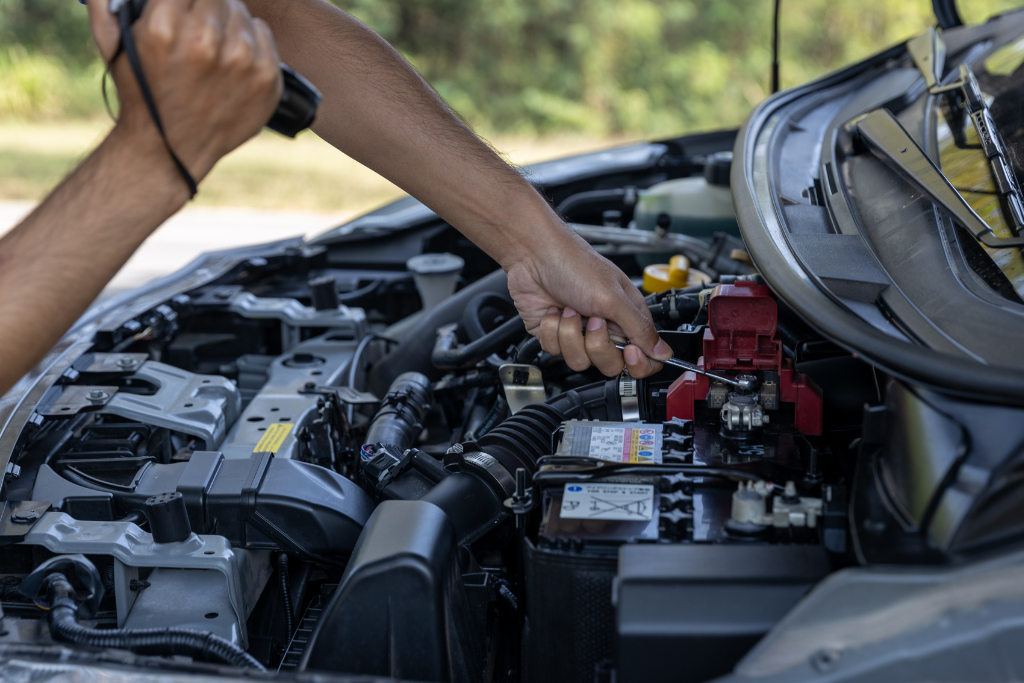
Unlock Car Freedom Your Ultimate Guide to Changing a Car Battery
A dead car battery can swiftly turn a routine commute into a frustrating ordeal. Understanding how to switch a car battery yourself can save you time and money‚ making it a valuable skill for any vehicle owner. While the task might seem daunting at first glance‚ it is quite manageable with the right tools‚ a clear set of instructions‚ and a strong emphasis on safety. This guide will walk you through the entire process‚ ensuring a smooth and successful car battery replacement.
Understanding When to Replace Your Vehicle Battery
Knowing when your car battery is nearing the end of its life is crucial. Ignoring early warning signs can leave you stranded at an inconvenient moment. Regular maintenance checks are always recommended.
Common Indicators of a Dying Car Battery
- Slow engine crank: The engine takes longer than usual to start.
- Dim headlights or interior lights: Lights appear weaker when the engine is off.
- Warning light on the dashboard: The battery light illuminates.
- Corrosion on battery terminals: A fuzzy‚ white‚ or greenish substance around the terminals.
- Swelling or bulging battery case: This indicates internal damage and is a serious safety concern.
- Frequent jump-starts needed: If you constantly need to jump-start your car‚ it’s time for a change.
Factors Affecting Battery Lifespan and Performance
Several elements influence how long your car battery will last. Extreme temperatures‚ both hot and cold‚ can significantly shorten its life. Short trips prevent the alternator from fully recharging the battery‚ leading to premature wear. Additionally‚ leaving lights on or accessories plugged in when the engine is off can drain the battery quickly. The age of the battery is also a primary factor; most last between 3-5 years.
Essential Tools and Safety Precautions for Changing Your Car Battery
Before you even think about disconnecting terminals‚ gather all necessary equipment. Safety should be your top priority throughout this entire process. A well-prepared approach minimizes risks.
Gathering Your Car Battery Replacement Tools
Having the right tools at hand makes the job much easier and safer. Do not attempt the replacement without these items.
- Wrench or Ratchet Set: Typically 10mm or 13mm for terminal bolts and hold-down clamp.
- Battery Terminal Cleaner: A wire brush specifically designed for battery posts and clamps.
- Battery Post Protector/Grease: To prevent corrosion on new terminals.
- Wire Brush or Sandpaper: For cleaning the battery tray.
- Battery Carrier Strap or Handle: Car batteries are heavy; this helps with lifting.
- Safety Glasses and Gloves: Protect your eyes and hands from acid.
- Baking Soda and Water Mixture: To neutralize any spilled battery acid.
- Memory Saver (Optional): Prevents loss of radio presets or computer settings.
Prioritizing Safety During the Battery Swap Process
Car batteries contain corrosive acid and produce explosive hydrogen gas. Always work in a well-ventilated area. Never smoke or have open flames nearby. Ensure your vehicle’s ignition is off and the parking brake is engaged. Remove any metal jewelry‚ as it can cause a short circuit. Remember‚ safety first‚ always.
Step-by-Step Guide to Safely Swapping Your Car Battery
Follow these stages carefully to ensure a smooth and safe battery exchange; Each step is critical for proper function and your personal safety.
| Step | Action Description | Important Details & Tips |
|---|---|---|
| 1 | Prepare Your Vehicle | Park on a flat surface‚ turn off the engine and all accessories. Engage the parking brake. Pop the hood. |
| 2 | Disconnect Negative Terminal | Locate the negative terminal (usually marked with a “–” and a black cable). Use your wrench to loosen the nut‚ then twist and pull off the cable. Isolate it from the battery to prevent accidental contact. |
| 3 | Disconnect Positive Terminal | Locate the positive terminal (marked with a “+” and a red cable). Loosen the nut and remove the cable. Keep it isolated from any metal parts of the car. |
| 4 | Remove Battery Hold-Down | Unfasten the battery hold-down clamp or strap. This secures the battery in its tray. |
| 5 | Extract Old Battery | Carefully lift the old battery out of its tray using a battery carrier; Be aware‚ batteries are heavy and contain acid. |
| 6 | Clean Battery Tray & Terminals | Inspect the battery tray for corrosion. Use a wire brush and the baking soda/water solution to clean any rust or acid residue. Clean the terminal clamps of the cables thoroughly. |
| 7 | Install New Battery | Place the new battery into the tray‚ ensuring it sits securely. Fasten the hold-down clamp or strap firmly. |
| 8 | Connect Positive Terminal | Attach the positive (red) cable to the new battery’s positive (+) terminal. Tighten the nut securely. |
| 9 | Connect Negative Terminal | Attach the negative (black) cable to the new battery’s negative (–) terminal. Tighten the nut securely. Apply anti-corrosion grease to both terminals. |
| 10 | Test Your Vehicle | Close the hood‚ then start your car. Check headlights‚ radio‚ and other electronics to ensure everything functions correctly. |
Post-Replacement Checks and Maintenance Tips for Your New Car Battery
After successfully installing your new car battery‚ a few final checks and ongoing maintenance practices will ensure longevity and optimal performance. This helps protect your investment.
Verifying Proper Installation and Functionality
Once the engine starts‚ let it run for a few minutes. This allows the alternator to begin charging the new battery. Check dashboard warning lights; none related to the battery should be illuminated. If your radio or clock settings were lost‚ reset them now. It is a good idea to take your car for a short drive to allow the vehicle’s computer systems to recalibrate.
Extending Your New Battery’s Life and Performance
Regularly inspect the battery terminals for corrosion and clean them as needed. Ensure the battery hold-down is secure to prevent vibration damage. Avoid frequent short trips when possible‚ as they don’t allow the battery to fully charge. If you store your car for extended periods‚ consider using a trickle charger to maintain battery health. These simple habits will help you get the most out of your replacement car battery.
Frequently Asked Questions About Car Battery Replacement
Replacing a car battery might seem like a complex task‚ but by following a clear‚ step-by-step guide and prioritizing safety‚ it’s a perfectly manageable DIY project. Understanding the signs of a dying battery and performing timely maintenance can prevent unexpected breakdowns. Always gather your tools‚ wear protective gear‚ and double-check your connections for a secure installation. While the process is straightforward‚ never hesitate to consult a professional if you feel unsure or encounter difficulties. A properly installed battery ensures reliable starts and peace of mind on the road.
Author