How to Get a Loan on Your Car
Effortless Car Loans: Your Guide on How to Get a Loan on a Car
Securing a car loan is a significant step toward vehicle ownership, and understanding the process is key to a smooth experience. Many individuals wonder “how to get a loan on a car” and are often overwhelmed by the options and requirements. This article aims to demystify the process, providing a clear, actionable guide for anyone looking to finance their next vehicle. We will cover everything from the initial preparation to finalizing the loan, ensuring you’re well-equipped to make informed decisions.
Understanding Car Loan Basics
Before diving into the application process, it’s crucial to grasp the fundamental components of a car loan. A car loan is essentially an agreement where a lender provides you with funds to purchase a vehicle, and you agree to repay that amount, plus interest, over a set period. Understanding terms like Annual Percentage Rate (APR), loan term, and down payment will empower you to negotiate better terms.
Key Loan Terminology
* APR (Annual Percentage Rate): This represents the yearly cost of borrowing money, including interest and certain fees. A lower APR means a cheaper loan.
* Loan Term: This is the duration over which you’ll repay the loan, typically ranging from 36 to 84 months. Shorter terms mean higher monthly payments but less interest paid overall.
* Down Payment: An upfront sum of money you pay towards the car’s purchase price. A larger down payment can lower your loan amount and potentially secure a better interest rate.
* Principal: The actual amount of money borrowed for the car.
The Importance of Your Credit Score
Your credit score plays a pivotal role in determining your loan eligibility and the interest rate you’ll receive. Lenders use it to assess your creditworthiness and the risk associated with lending you money. A higher credit score generally translates to more favorable loan terms.
Did You Know?
A credit score above 700 is generally considered good, making it easier to qualify for a car loan with competitive rates.
Steps on How to Get a Loan on a Car
Navigating the car loan application process can seem daunting, but breaking it down into manageable steps makes it much simpler. By preparing thoroughly and understanding each stage, you can increase your chances of approval and secure the best possible terms for your new vehicle.
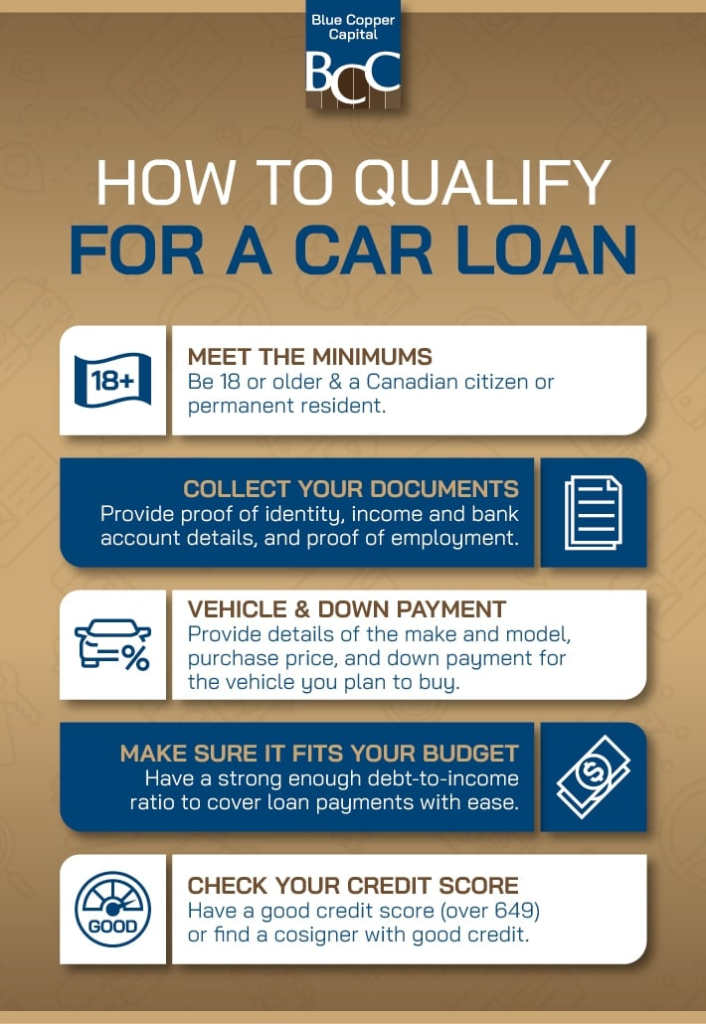
1. Assess Your Financial Situation and Budget
The very first step in learning how to get a loan on a car is to honestly assess your budget. Determine how much you can realistically afford for a monthly car payment, including insurance, fuel, and maintenance. Use online car loan calculators to estimate payments based on different loan amounts and interest rates. This will give you a clear picture of your purchasing power.
2. Check Your Credit Report and Score
Before applying, obtain a copy of your credit report from the major credit bureaus (Equifax, Experian, and TransUnion). Review it for any errors and dispute them promptly. Understanding your credit score will help you set realistic expectations regarding loan offers.
3. Get Pre-Approved for a Loan
Getting pre-approved is a crucial step. It involves applying for a loan *before* you visit a dealership. This allows you to know exactly how much you can borrow and at what interest rate. You can seek pre-approval from banks, credit unions, or online lenders. Having pre-approval gives you significant negotiation power at the dealership.
Here’s a comparison of pre-approval sources:
| Lender Type | Potential Advantages | Potential Disadvantages |
| :————– | :————————————————- | :—————————————————- |
| Banks/Credit Unions | Often competitive rates, established relationships | May have stricter credit requirements |
| Online Lenders | Fast process, wide range of options | Rates can vary, less personal interaction |
| Dealerships | Convenient, one-stop shopping | May not always offer the best rates or terms |
4. Shop for Your Car
Once you have your pre-approval, you can confidently shop for a car within your budget. Knowing your loan limit prevents you from overspending and allows you to focus on finding the right vehicle.
5. Negotiate the Price and Finalize the Loan
When you’ve found your car, negotiate the purchase price with the dealership. Present your pre-approval offer. The dealership’s finance department may try to beat your pre-approved rate, which can be advantageous. If they can’t, proceed with your pre-approved loan. Carefully review all loan documents before signing, ensuring all terms match what you agreed upon.
Navigating Dealership Financing
Dealerships often present their own financing options, which can be convenient. However, it’s wise to approach these offers with a critical eye. Always compare dealership financing with your pre-approved loan offer.
Factoid:
Dealerships sometimes mark up the interest rate offered by the lender. Always ask to see the lender’s approval sheet to ensure you’re getting the best rate.
Common Roadblocks and How to Overcome Them
Even with careful planning, some applicants may encounter challenges. Understanding these common issues can help you address them effectively.
* Low Credit Score: If your credit score is low, consider applying with a co-signer who has good credit. Alternatively, focus on improving your credit score before applying or explore options for “bad credit car loans,” though these often come with higher interest rates.
* Insufficient Income: Lenders look for a stable income. If your income is inconsistent or appears insufficient, providing documentation of other income sources or a larger down payment can help.
* High Debt-to-Income Ratio: This ratio compares your monthly debt payments to your gross monthly income. A high ratio can make lenders hesitant. Paying down existing debts before applying can improve this ratio.
Frequently Asked Questions (FAQ)
Q1: How long does it take to get approved for a car loan?
The approval timeline can vary. Pre-approval from online lenders or your bank might take a few hours to a couple of days. Dealership financing can sometimes be approved within the same day, but it’s always best to have a pre-approval as a backup.
Q2: Can I get a car loan with no credit history?
It’s challenging but not impossible. Options include applying with a co-signer, exploring credit-builder loans, or looking for specialized lenders that cater to individuals with no credit history. Building a credit history through other means, like a secured credit card, can also be beneficial.
Q3: What happens if I can’t make my car payments?
Communicating with your lender as soon as possible is crucial. They may offer options like deferring a payment or modifying your loan terms. However, failure to make payments can lead to repossession of the vehicle and significant damage to your credit score.
In conclusion, learning how to get a loan on a car is an achievable goal with the right approach. By diligently assessing your finances, understanding credit implications, and exploring all your loan options, you can secure favorable terms. Getting pre-approved before visiting a dealership provides a strong negotiating position and peace of mind. Remember to compare all offers carefully and thoroughly review all loan documentation. With this comprehensive guide, you are well-prepared to embark on your journey to car ownership.
Author