what is a managed investment scheme
In the dynamic world of finance, individuals often seek avenues to grow their wealth without becoming full-time market analysts․ This is precisely where a Managed Investment Scheme, often abbreviated as MIS, plays a crucial role for many investors․ An MIS provides a collective investment vehicle where funds from multiple investors are pooled together and managed by a professional fund manager․ This sophisticated structure allows participants to access a diversified portfolio of assets that might otherwise be out of reach for individual investors․ It simplifies the investment process significantly for a wide audience․
Understanding the Core Mechanics of a Managed Investment Scheme
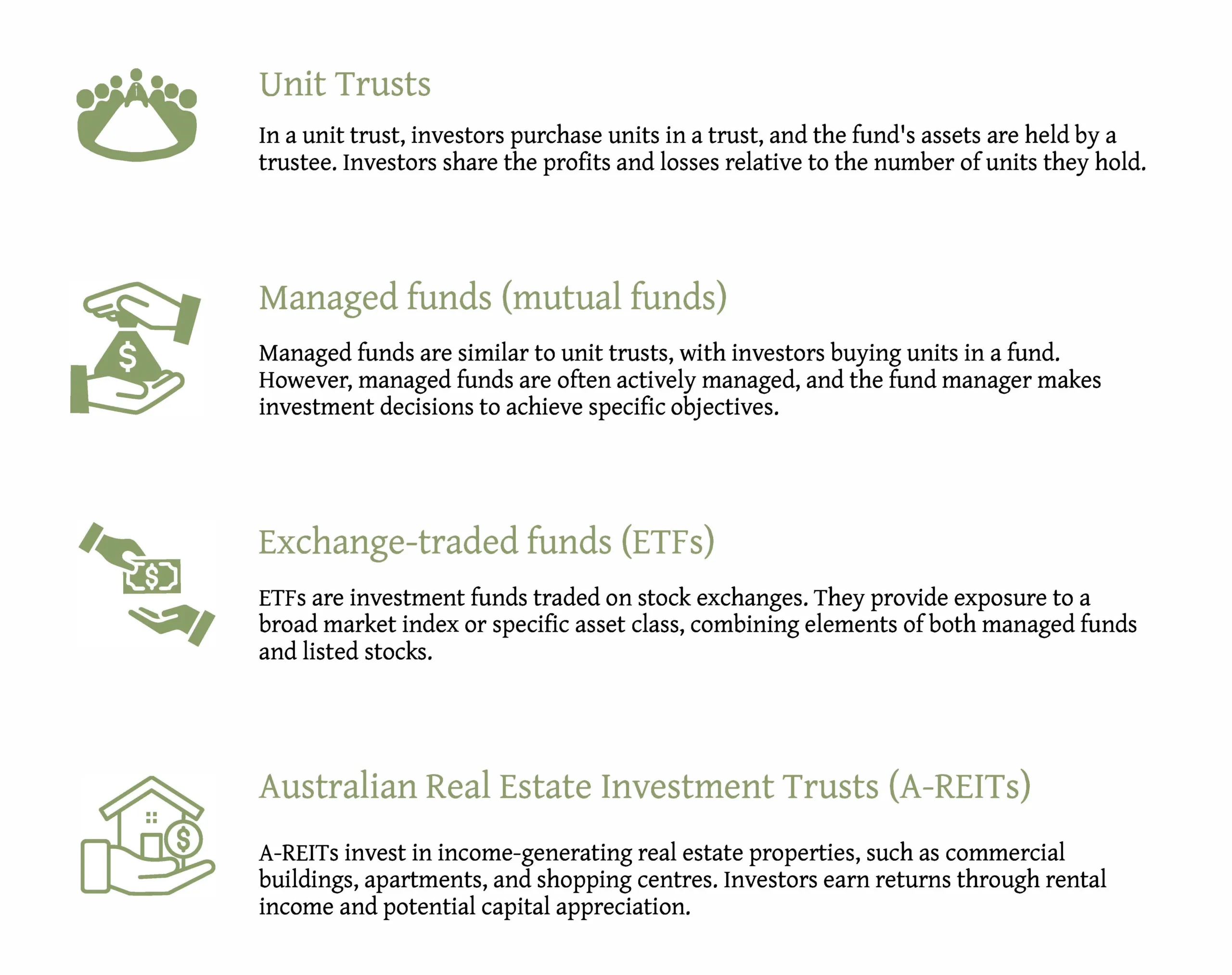
A Managed Investment Scheme functions on the principle of collective investment, making it accessible to a wide range of investors, from seasoned professionals to those just starting their investment journey․ Essentially, when you invest in an MIS, you are purchasing units in the scheme, and your money is combined with that of other investors․ This pooled capital is then strategically invested by a professional fund manager according to the scheme’s stated investment objectives and strategy․ The value of your investment fluctuates based on the performance of the underlying assets held by the scheme, offering a direct link to market movements․
How a Managed Investment Scheme Operates in Practice
The operational flow of an MIS involves several key stages, ensuring a structured approach to collective investing:
- Fund Pooling: Investors contribute capital, which is then pooled into a single fund․ This collective approach allows for significant investment capacity․
- Professional Management: A dedicated fund manager, holding expertise in various asset classes, oversees the investment decisions․ Their role is to achieve the scheme’s objectives;
- Asset Allocation: The pooled funds are invested across a range of assets such as shares, bonds, property, or other financial instruments․ Diversification is a common strategy employed here․
- Returns and Distributions: Any profits generated from the investments, whether through capital gains or income, are distributed to investors proportionally to their unit holdings․
- Regulatory Oversight: Managed Investment Schemes are subject to strict regulatory frameworks to protect investor interests and ensure transparency․
Key Advantages of Engaging with Managed Investment Schemes
Investing through a Managed Investment Scheme presents several compelling benefits, particularly for individuals who may lack the time, expertise, or capital to manage a diverse portfolio independently․ These schemes democratize access to sophisticated investment strategies and asset classes, making advanced financial planning more achievable for the average person․
- Professional Management: Expert fund managers make informed decisions, leveraging their experience and research to optimize returns and manage risk․ This is a significant draw for many․
- Diversification: By pooling funds, MIS can invest in a broader range of assets than an individual investor typically could, thereby spreading risk and potentially enhancing returns․
- Accessibility: Investors can gain exposure to various markets and asset classes, including those that might be difficult or expensive to access directly, such as commercial property or international equities․
- Convenience: The day-to-day management of the portfolio, including research, trading, and administration, is handled by the fund manager, freeing up investors’ time․
- Potential for Higher Returns: While not guaranteed, the professional management and diversification offered by an MIS can potentially lead to better long-term returns compared to unmanaged individual investments․
Diverse Landscape: Exploring Types of Managed Investment Schemes
The world of Managed Investment Schemes is vast, encompassing a variety of structures designed to meet different investment objectives and risk appetites․ Understanding these distinctions is crucial for selecting an MIS that aligns with your personal financial goals․ From growth-oriented equity funds to income-focused property trusts, the options are plentiful, catering to a spectrum of investor profiles․
| MIS Type | Primary Asset Class | Typical Risk Level | Primary Investment Objective |
|---|---|---|---|
| Equity Funds | Shares (domestic/global) | Medium to High | Capital growth |
| Fixed Income Funds | Bonds, debentures, cash | Low to Medium | Income, capital preservation |
| Property Funds | Commercial/residential real estate | Medium | Income, capital growth |
| Multi-Asset Funds | Mix of equities, bonds, property | Medium | Diversified growth & income |
| Infrastructure Funds | Toll roads, utilities, airports | Medium to Low | Stable income, long-term growth |
Write a quality, in-depth, magazine-style article on the topic:
Write in English
Use a clickbait and catchy headline. Be sure to include the keyword in the headline and use the background content added with this post to create a relevant and related topic.
Make sure the text is written in a journalistic, professional, and engaging style, like The New York Times or Forbes. The tone should be optimistic, forward-looking, and persuasive. Use sentences of varying lengths (average 250 characters, maximum 500, minimum 30). Use appropriate analogies, descriptive adverbs (e.g., “incredibly effective”), and correct adverbial phrases (e.g., “By integrating insights from AI…”). Make sure the GLTR is LOW by balancing 40-55% green, 20-30% yellow, 15-25% red, and 5-10% purple words. Use present and past participles to add dynamism. Provide deep knowledge, expert opinions, and industry examples to make the article compelling.
After the second paragraph of the article, add a table with the biographical information, personal information, career information, and professional background of the person you are talking about, along with a link to one official website for reference. The table should be in a format that is easy to embed in WordPress.
If the topic is not related to a specific person, add relevant information in a table that can be embedded in WordPress.
Ensure the writing follows a journalistic, professional, and engaging style, like The New York Times or Forbes. The tone should be optimistic, forward-looking, and persuasive. Use varied sentence lengths (average 250 characters, max 500, min 30). Incorporate relatable analogies, descriptive adverbs (e.g., ‘remarkably effective’), and proper adverbial phrases (e.g., ‘By integrating AI-driven insights…’). Ensure a LOW GLTR score, balancing 40-55% green, 20-30% yellow, 15-25% red, and 5-10% purple words. Use present and past parts to enhance dynamism. Provide deep insights, expert perspectives, and industry examples to make it compelling.
After the second paragraph of the article add table with bio data and personal information, career, professional information of person in topic, also add link to one authentic website for reference, the table should be in the form that it can be easily inserted in wordpress.
If the topic is other than person related than add related information in the form of table that can be inserted in wordpress.
Ensuring Integrity: The Regulatory Framework for Managed Investment Schemes
To safeguard investor interests and maintain market integrity, Managed Investment Schemes operate under strict regulatory oversight in most jurisdictions․ These regulations typically cover aspects such as fund registration, disclosure requirements, capital adequacy for fund managers, and rules around marketing and investor communication; For instance, in Australia, MIS are regulated by ASIC, while in the US, similar collective investment vehicles fall under SEC rules․ This robust framework aims to ensure transparency, fairness, and accountability within the industry, providing a level of confidence for those considering an investment․
Frequently Asked Questions About Managed Investment Schemes
What is the primary role of a fund manager in an MIS?
The fund manager is responsible for making all investment decisions on behalf of the scheme․ They conduct research, select assets, execute trades, and continuously monitor the portfolio to align with the scheme’s investment objectives and risk profile․ Their expertise is central to the scheme’s success․
Are Managed Investment Schemes guaranteed?
No, investments in Managed Investment Schemes are generally not guaranteed․ Like most investments, they carry inherent risks, and their value can go down as well as up depending on market conditions and the performance of the underlying assets․ Investors should always be aware of the potential for capital loss․
What kind of fees can I expect with an MIS?
Common fees include management fees (a percentage of the funds under management), performance fees (if the scheme outperforms a benchmark), and sometimes administration or entry/exit fees․ It’s crucial to review the Product Disclosure Statement (PDS) or equivalent document for a full breakdown of all associated costs before investing․
How do I choose the right Managed Investment Scheme for me?
Choosing the right MIS involves assessing your personal financial goals, risk tolerance, investment horizon, and the specific objectives of the scheme․ Researching the fund manager’s track record, understanding the fee structure, and reading the PDS are essential steps before making a decision․ Consulting a financial advisor can also be highly beneficial to ensure alignment with your personal circumstances․
Author