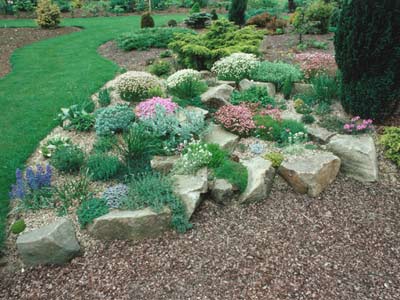
How to Construct a Rock Garden
Designing and Constructing Your Dream Rock Garden: A Comprehensive Guide
Transform your outdoor space into a captivating oasis with a meticulously designed rock garden. This guide will walk you through the essential steps of creating a low-maintenance, visually stunning rock garden that complements your home’s aesthetic and thrives with minimal effort. From selecting the perfect location to choosing drought-tolerant plants and arranging stones for maximum impact, we’ll cover all aspects of constructing a rock garden that brings natural beauty and tranquility to your landscape.
Planning Your Rock Garden: Location, Layout, and Materials
Before you even think about selecting a single stone, careful planning is paramount to a successful rock garden. The ideal location is one that receives ample sunlight, as most rock garden plants thrive in sunny conditions. Consider drainage as well; a slight slope is beneficial to prevent waterlogging, which can be detrimental to many alpine and succulent species. Sketching out your design will help visualize the flow and arrangement of rocks and plants, ensuring a harmonious and natural look.
Choosing the Right Rocks and Soil
The foundation of any rock garden lies in its stones. Opt for locally sourced rocks if possible, as they will blend more naturally with the surrounding environment. Various types of stones can be used, including sandstone, granite, and slate, each offering unique textures and colors. The soil composition is equally important. A well-draining mix is crucial. Typically, a combination of coarse sand, gravel, and loam provides the necessary aeration and drainage for rock garden plants.
Fact: Many rock garden plants are native to mountainous regions and are adapted to well-draining, nutrient-poor soils.
Essential Materials for Construction:
- Assorted rocks and stones (consider size, shape, and color)
- Well-draining soil mix (e.g., gravel, coarse sand, compost)
- Landscape fabric (optional, to suppress weeds)
- Your chosen rock garden plants
- Tools: Shovel, rake, trowel, gloves, wheelbarrow
Constructing the Rock Garden: Step-by-Step
With your plan in place and materials gathered, it’s time to bring your rock garden to life. This phase involves the physical arrangement of stones and the preparation of the planting beds. Patience and a keen eye for natural aesthetics will guide you in creating a beautiful and functional rock garden.
Preparing the Site and Laying the Foundation
Begin by clearing the chosen area of any existing vegetation, debris, or weeds. If using landscape fabric, lay it down now, cutting slits for where larger rocks will be placed or where you intend to plant. This step is optional but highly recommended for long-term weed control. Next, start placing your larger feature rocks. These will form the main structure of your garden. Sink them partially into the ground to give them a natural, established appearance.
Arranging the Stones and Creating Planting Pockets
Continue adding smaller rocks, interspersing them with the larger ones to create a natural, undulating landscape. Avoid perfectly symmetrical arrangements; nature is rarely perfectly ordered. Think about how water would flow down a natural slope and arrange your stones accordingly. Leave ample space between the rocks for planting pockets. These pockets should be filled with your prepared soil mix.
Tip: For a more authentic look, angle the rocks slightly as if they have been naturally weathered and settled into the earth over time.
Selecting and Planting Your Rock Garden Flora
The success of your rock garden hinges on choosing the right plants – those that can tolerate the conditions created by rocks and soil, primarily excellent drainage and sun exposure. Drought-tolerant species are often the best choices, as they require less watering and maintenance.
Choosing Drought-Tolerant and Low-Maintenance Plants
Many beautiful and resilient plants are perfectly suited for rock gardens. Consider species like Sedums, Sempervivums (Hens and Chicks), Echeverias, and various ornamental grasses. Alpine flowers, such as Dianthus, Saxifraga, and Campanula, also thrive in these conditions. When selecting plants, consider their mature size and spread to avoid overcrowding.
Planting Techniques for Rock Gardens
When planting, ensure the soil is slightly mounded around the base of the plant, further promoting drainage away from the crown. Water thoroughly after planting, and then reduce watering frequency, allowing the soil to dry out between waterings. Mulching with small gravel or decorative stones around the plants not only adds to the aesthetic but also helps retain moisture in the soil and suppress weeds.
Maintenance and Long-Term Care
A well-constructed rock garden requires minimal upkeep, but regular attention will ensure its continued beauty and health.
Weeding and Watering
Regularly inspect your rock garden for any emerging weeds and remove them promptly by hand. Due to the nature of rock garden plants and their preference for drier conditions, overwatering is a common mistake. Water deeply but infrequently, allowing the soil to dry out completely between waterings. Adjust your watering schedule based on the weather and the specific needs of your plants.
Pruning and Fertilizing
Most rock garden plants require minimal pruning. Trim back any dead or overgrown foliage to maintain a tidy appearance. Fertilizing is generally not necessary, as many rock garden plants prefer lean soil. If you do fertilize, use a slow-release, low-nitrogen formula sparingly in the spring.
Common Rock Garden Challenges and Solutions
While rock gardens are known for their low maintenance, occasional issues can arise. Understanding these challenges can help you address them effectively.
| Challenge | Solution |
|---|---|
| Overgrowth of plants | Regular pruning and thinning of plants. Consider choosing slower-growing varieties. |
| Weed invasion | Consistent hand-weeding, use of landscape fabric, and mulching with gravel. |
| Poor drainage leading to root rot | Ensure the initial soil mix is very well-draining. Adjusting the slope or adding more gravel might be necessary. |
| Pests and diseases | Healthy plants are less susceptible. Ensure proper watering and air circulation. Remove affected plant parts immediately. |
Frequently Asked Questions About Rock Gardens
Q1: How much sunlight does a rock garden need?
Most rock garden plants, especially alpine and succulent varieties, thrive in full sun, requiring at least six to eight hours of direct sunlight per day. However, some shade-tolerant plants can be incorporated into shadier sections if your location receives less sun.
Q2: Can I build a rock garden on a flat surface?
Yes, you can build a rock garden on a flat surface. While a natural slope aids drainage, you can create the illusion of a slope by mounding soil and arranging rocks to form elevation changes. Ensuring excellent drainage by incorporating plenty of gravel into the soil mix is crucial in flat areas.
Q3: What’s the best time of year to build a rock garden?
The best times to construct a rock garden are typically in the early spring or fall. These seasons offer milder temperatures, which are ideal for planting and allow plants to establish their root systems before the extreme heat of summer or the harsh cold of winter.
In conclusion, constructing a rock garden is a rewarding endeavor that can significantly enhance the beauty and serenity of your outdoor living space. By carefully planning your design, selecting appropriate materials, and choosing resilient plants, you can create a stunning and low-maintenance landscape feature. Remember that natural aesthetics and proper drainage are key to success. With a bit of effort and attention to detail, your rock garden will flourish for years to come, providing a captivating display of nature’s artistry right in your backyard. Enjoy the process and the beautiful results!
Author