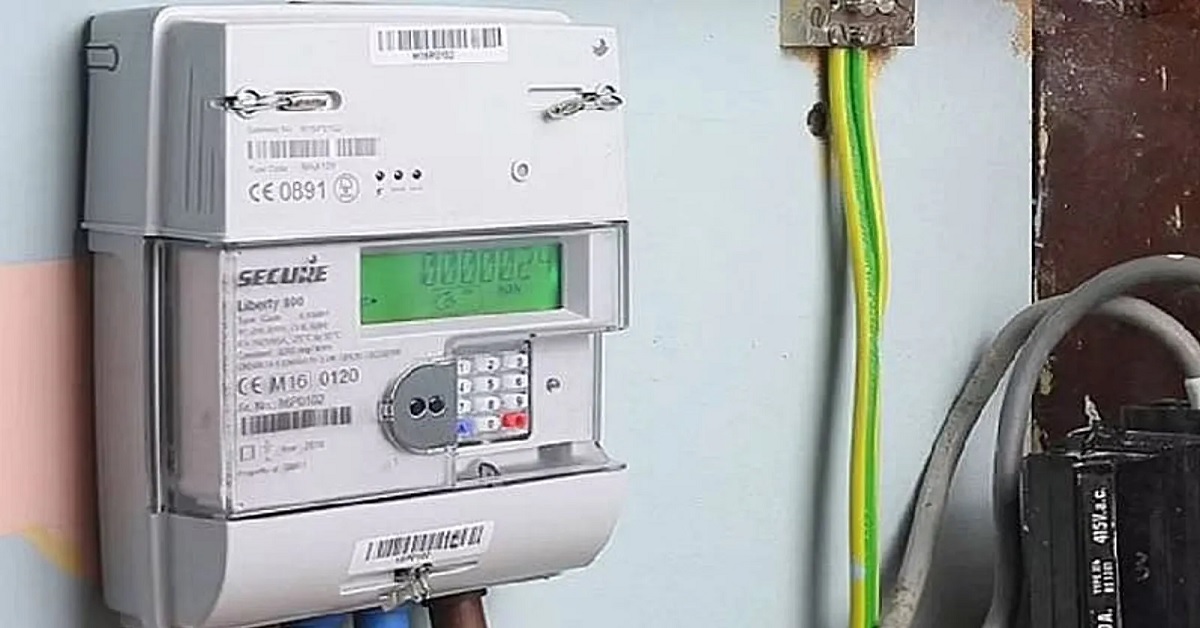
Are Smart Meters Mandatory?
Are Smart Meters Obligatory? A Comprehensive Guide for WordPress Users
The question of whether smart meters are obligatory is a common one, sparking debate and confusion among homeowners and renters alike. As technology rapidly advances, so do the systems that manage our essential utilities. Smart meters, with their advanced capabilities, are increasingly becoming the standard in many regions. This article will delve into the often-complex world of smart meter installation, their perceived obligations, and what this means for you as a WordPress user managing your online presence or creating content related to home technology.
Understanding Smart Meter Installation and Obligations
Smart meters are digital devices that measure and record electricity, gas, and water consumption in near real-time. Unlike traditional analog meters, they can communicate this data remotely to utility providers. This allows for more accurate billing, better energy management, and identification of potential issues. However, the “obligatory” nature of these installations can vary significantly depending on local regulations, utility company policies, and even the terms of your lease or property ownership.
Smart Meters: Mandatory or Optional?
In many countries and jurisdictions, the rollout of smart meters has been driven by government mandates aimed at improving energy efficiency and modernizing the grid. For instance, the UK has seen a large-scale mandatory installation program. In other areas, while utilities may strongly encourage or offer incentives for smart meter adoption, they might not be strictly obligatory for all customers. It is crucial to check with your specific energy provider and local government to understand the regulations in your area. If you are a WordPress user creating content about this topic, it’s vital to emphasize this regional variability to avoid misinformation.
Benefits and Drawbacks of Smart Meter Technology
The push for smart meters stems from a variety of potential benefits, but it’s also important to acknowledge the concerns some consumers have raised. Understanding both sides is key for comprehensive content creation.
- Accurate Billing: Eliminates estimated bills and ensures you pay for exactly what you use.
- Energy Efficiency: Enables consumers to monitor their usage and make informed decisions to reduce consumption.
- Remote Monitoring: Allows utility companies to detect outages and manage the grid more effectively.
- Cost Savings: Potential for reduced energy bills through better management and by taking advantage of time-of-use pricing.
Fact: Smart meters can help identify energy vampires – devices that consume power even when turned off.
Addressing Concerns: Privacy and Health
Some individuals have expressed concerns regarding the privacy of data collected by smart meters and potential health effects from the radio frequencies emitted. While studies generally indicate that smart meter emissions are well within safe limits and data privacy is protected by robust security measures, these concerns are part of the ongoing discussion. As a WordPress site owner, offering a balanced perspective that includes these concerns and links to reputable sources can build trust with your audience.
The Role of WordPress in Communicating Smart Meter Information
For WordPress users, particularly those in the home improvement, technology, or consumer advocacy niches, creating informative content about smart meters is a valuable endeavor. Your website can serve as a vital resource for individuals seeking to understand their obligations and the implications of this technology.
Structuring Smart Meter Content on Your WordPress Site
When writing about smart meters on WordPress, remember to:
- Use Clear Headings: Employ H1, H2, and H3 tags strategically for readability and SEO.
- Incorporate Multimedia: Use images, videos, and infographics to explain complex concepts.
- Optimize for Keywords: Integrate terms like “smart meter obligatory,” “smart meter installation,” and “energy efficiency” naturally.
- Cite Sources: Link to official utility company websites, government reports, and research studies.
Consider creating a table to compare smart meter policies across different regions or utility providers. This can be immensely helpful for your readers.
| Region/Utility | Smart Meter Status | Installation Timeline | Consumer Choice |
|---|---|---|---|
| Example Region A | Mandatory Rollout | Completed 2023 | Limited (Opt-out may incur fees) |
| Example Utility B | Optional (Incentivized) | Ongoing | Yes |
| Example Area C | Mandatory for New Builds | 2024 Onwards | N/A |
Frequently Asked Questions About Smart Meters
Q1: Do I have to get a smart meter?
In many areas, smart meter installation is part of a mandatory government or utility program. However, policies vary by location. It is essential to contact your local energy provider or consult your regional energy authority to determine the specific requirements for your residence.
Q2: Can I refuse a smart meter?
While some areas may allow you to refuse a smart meter, there might be consequences, such as additional fees or being switched to a profile that doesn’t benefit from smart meter features. Some utility companies might offer alternative meter options, but these are not always available or may come at a cost. Always check the specific terms and conditions with your provider.
Q3: How does a smart meter affect my electricity bill?
Smart meters provide real-time data, which can lead to more accurate billing based on your actual consumption. They also enable time-of-use pricing, where electricity costs can vary depending on the time of day. By monitoring your usage through a smart meter, you can identify peak consumption times and potentially adjust your habits to save money.
The question of whether smart meters are obligatory is complex, with answers varying significantly by geographical location and specific utility provider policies. While many regions are undergoing mandatory rollouts driven by efficiency and modernization goals, some may still offer consumer choice. Understanding these nuances is crucial for homeowners and renters navigating these technological changes. For those managing WordPress sites, providing clear, well-researched, and regionally specific information is paramount to serving your audience effectively. By addressing potential concerns and highlighting the benefits, you can create valuable content that empowers users to make informed decisions about their energy consumption and the technology installed in their homes. Ultimately, staying informed and consulting with your local utility provider are the best steps to determine your personal obligations regarding smart meters.
Author