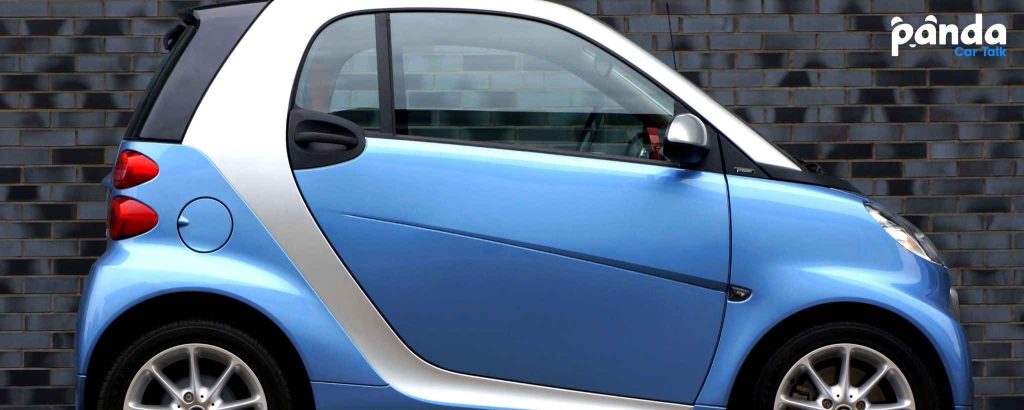
How Much Does a Smart Car Weigh? Smart Car Weight Explained
How Much Does a Smart Car Weigh? A Comprehensive Guide
Smart cars, known for their compact size and urban maneuverability, often spark curiosity about their physical specifications, particularly their weight. Understanding the weight of a Smart car is crucial for various reasons, from shipping and towing to understanding its fuel efficiency and handling characteristics. This article delves into the specifics of Smart car weight, exploring the factors that influence it and providing answers to common questions.
Understanding Smart Car Weight
The weight of a Smart car can vary significantly depending on the specific model, year of manufacture, and optional features. Generally, Smart cars are designed to be lightweight, contributing to their agility and efficiency. The core models, like the Fortwo, are engineered with minimalistic construction to maximize fuel economy and ease of parking in tight city spaces. This focus on lightness is a defining characteristic of the Smart brand.
Factors Influencing Smart Car Weight
Several factors contribute to the overall weight of a Smart car:
- Model Variation: Different Smart car models (e.g., Fortwo, Forfour) have different dimensions and, consequently, different weights.
- Engine Size and Type: While Smart cars typically have smaller engines, variations in engine configurations can lead to slight weight differences.
- Transmission: Manual and automatic transmissions can have minor impacts on the overall curb weight.
- Optional Features: Add-ons like panoramic roofs, upgraded sound systems, or different wheel designs can increase the car’s weight.
- Body Style: Convertible models, for instance, might have slightly different weight distributions and overall mass due to structural reinforcements.
Smart Car Weight Specifications
To provide a clearer picture, let’s look at the approximate weight of popular Smart car models. It’s important to remember these are general figures and the exact weight can vary.
| Smart Car Model | Approximate Curb Weight (kg) | Approximate Curb Weight (lbs) |
|---|---|---|
| Smart Fortwo (various generations) | 750 – 900 kg | 1650 – 1980 lbs |
| Smart Forfour (first generation) | 970 – 1000 kg | 2140 – 2200 lbs |
| Smart Forfour (second generation) | 1000 – 1100 kg | 2200 – 2425 lbs |
The Smart Fortwo is renowned for being one of the lightest production cars available, emphasizing its city-centric design.
Why Weight Matters for Smart Cars
The lightweight nature of Smart cars directly impacts their performance and usability. Lower weight generally translates to better fuel efficiency, as less energy is required to accelerate and maintain speed. It also contributes to their exceptional maneuverability, making them easy to navigate through congested urban environments and simple to park.
A lighter vehicle typically requires less braking force, potentially leading to reduced wear on brake components over time.
Smart Car Towing and Transport
When it comes to towing or transporting a Smart car, its weight is a critical factor to consider. Trailer load capacities and vehicle towing limits must be carefully checked to ensure safe transport. Due to their compact size and light weight, Smart cars are relatively easy to tow or move compared to larger vehicles.
Towing a Smart Car
If you plan to tow a Smart car, you’ll need to know its Gross Vehicle Weight Rating (GVWR) and curb weight. The GVWR is the maximum permissible weight of the vehicle itself, including all fluids, passengers, and cargo. When towing, ensure your tow vehicle has a sufficient towing capacity that exceeds the weight of the Smart car and any equipment used for towing.
Shipping a Smart Car
Shipping companies often charge based on weight and distance. The relatively low weight of a Smart car can make its shipping costs more economical compared to heavier vehicles. However, dimensions also play a role, and their unique compact form factor is another advantage in logistics.
Frequently Asked Questions about Smart Car Weight
Q1: What is the average weight of a Smart Fortwo?
The average curb weight for a Smart Fortwo typically ranges between 750 kg and 900 kg (approximately 1650 lbs to 1980 lbs), depending on the specific generation and configuration.
Q2: Does the electric Smart car weigh more than the gasoline version?
Generally, electric vehicles tend to weigh more than their internal combustion engine counterparts due to the added weight of the battery pack. However, Smart’s electric models are still designed to be very lightweight and compact.
Q3: How can I find the exact weight of my Smart car?
You can usually find the exact curb weight of your Smart car on a sticker located in the driver’s side doorjamb, in the owner’s manual, or by checking the vehicle identification number (VIN) with a dealership or online VIN decoder.
Conclusion
In conclusion, the weight of a Smart car is a fundamental aspect of its design and appeal, particularly for urban dwellers. Their remarkably light construction is a key contributor to their renowned fuel efficiency, agility, and ease of parking. Whether you’re considering purchasing one, transporting it, or simply curious about its specifications, understanding the approximate weight ranges for different Smart car models provides valuable insight. The consistent emphasis on a low curb weight across the Smart lineup underscores the brand’s commitment to creating exceptionally practical and efficient micro-cars for modern city life. This focus on lightness ensures they excel in their intended environment, offering a unique driving experience characterized by nimbleness and economy.
Author